
Walking That Groove With Purpose
Byrd's trumpet cuts through these grooves with real swagger and blues sensibility.
Donald Byrd recorded The Cat Walk (1961) at a particular moment when hard bop was starting to loosen up, when musicians were getting curious about what soul and funk could add to the jazz foundation they'd built. This album sits right in that sweet spot where Byrd sounds fully confident in his own voice—not imitating the harder edge of a Clifford Brown or copying anyone else's blueprint. His trumpet playing here has a directness to it, a way of landing on notes that feels lived-in rather than technically showoff. The title track and pieces like "Chrissie" move with a funkiness that wasn't as common in jazz yet, giving the record a forward momentum that keeps things from feeling like standard hard bop exercises.
What makes this record distinct from Byrd's other work from this era is how much it leans into groove and pocket playing rather than pure virtuosity. The rhythm section locks into these relaxed, slinky patterns that give the soloists room to breathe and actually say something instead of just burning through changes. There's a lightness here that works in the album's favor—it doesn't demand deep concentration to enjoy. Some listeners will find that refreshing; others might want more complexity. But there's an honesty in that choice, and Byrd's playing throughout suggests he knew exactly what he was doing.
This isn't universally considered his masterpiece, and it's not the place most people start with Byrd, but it holds up as a solid, enjoyable session that shows him as a musician with real taste and an ear for what works. If you want to hear Byrd in a more relaxed, soulful mode than his more celebrated hard bop dates, this is worth seeking out.
Who's playing
Laymon Jacksonbass
Duke Pearsonpiano
Pepper Adamsbaritone saxophone
Donald Byrdtrumpet
Philly Joe Jonesdrums
Where next?
More by Donald Byrd
All 13 albums →


The musicians on this record
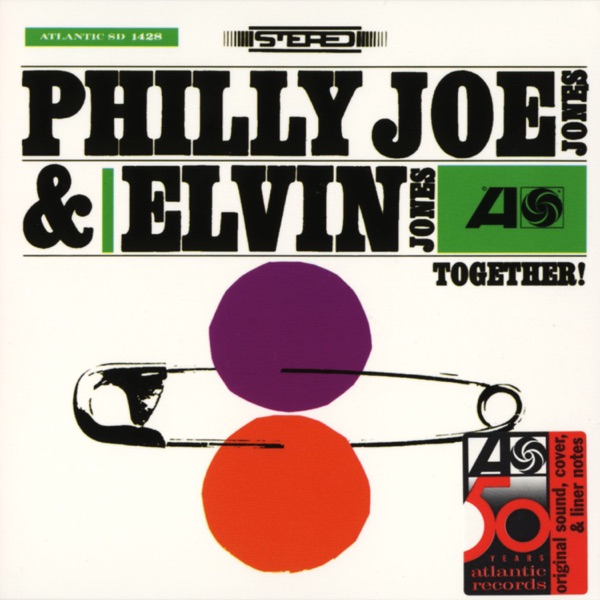
Together! 1961
Philly Joe Jones
plays drums (drum set) here
plays drums (drum set) here

At the Half Note Cafe, Volume 1 1960
Duke Pearson
plays piano here
plays piano here


