1960 · Album
The Arrival of Kenny Dorham
Recorded 1961 · Time Records · Produced by Information not verified
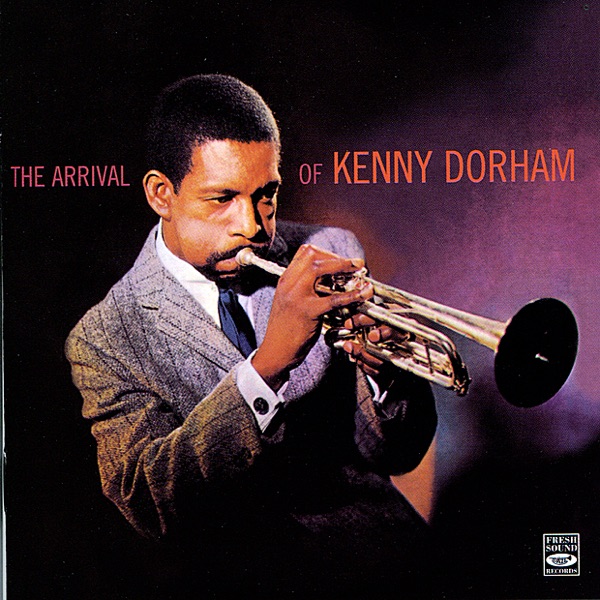
When Dorham Finally Got His Due
A trumpet voice so direct and personal it cuts through every arrangement without trying.
Kenny Dorham arrived at this session with something to prove and nowhere left to go. By this point in his career, he'd played alongside some of the best musicians in jazz — he'd been there, done the work, earned the respect of his peers — yet the world had moved on without him, distracted by flashier names and louder claims. The Arrival feels like Dorham stepping up and saying: listen to what I actually sound like when someone lets me play. His trumpet tone is warm but alert, never sentimental, never showing off. He phrases like a man thinking out loud, bending time slightly, letting notes breathe. There's no pyrotechnics here, no chest-thumping displays. Just clarity.
The band settles into grooves that feel lived-in rather than rehearsed. Dorham's compositions sit comfortably in the pocket — blues changes mostly, but played with the kind of ease that only comes from understanding harmony so deeply you stop thinking about it. He plays with confidence but not arrogance, which is rare. You hear a musician at peace with what he knows, uninterested in trends. The rhythm section locks in without fussing, and Dorham floats over it all with a trumpet voice so personal it becomes recognizable immediately. This is not an album trying to change jazz or announce anything grand.
What makes The Arrival worth hearing is exactly what kept Dorham underrated: he was too good to ignore but too steady to hype. No gimmicks, no concept, no desperate reach for novelty. Just a working musician playing songs he knew how to play, playing them well, and moving on. For listeners who've heard the standard trumpeters and wonder what else is out there, this album answers the question directly. Dorham never needed the establishment to validate what's obvious here.
Who's playing
Butch Warrendouble bass
Tommy Flanaganpiano
Charlie Davisbaritone saxophone
Kenny Dorhamtrumpet
Arnold "Buddy" Enlowdrums
Where next?
More by Kenny Dorham
All 31 albums →


The musicians on this record
Their own records, close in time


