1959 · Album
Standards Plus One
Recorded 1959 · Riverside Records · Produced by Orrin Keepnews

Standards Reimagined Through Subtle Hands
Motian strips the songs down to their essence, letting space breathe where convention demands fullness.
Paul Motian's approach to the jazz standard was never about reverence for the tune itself. On Standards Plus One, he treats these familiar pieces like clay to be reshaped rather than artifacts to be preserved. The album sits comfortably in his catalog as a solid craftsman's statement—not a revelation, but a clear-eyed look at what happens when you trust your instincts over tradition. Motian had been absorbing standards throughout his career, but here he's thinking like a composer more than an interpreter. The "Plus One" is the wrinkle: original material mixed with the expected chestnuts, which keeps the whole project from feeling like a museum visit.
What makes this different from other standards records of the era is how much Motian uses silence. He doesn't rush into fills. The drums sit back and listen, which forces everyone else to commit harder to their lines. There's a deliberate restraint here that can feel cold if you're expecting the warmth of a quartet just swinging through the changes. But if you listen closely, that restraint is actually confidence—the confidence to know that less decoration means more clarity. Some listeners will find this appealing for exactly that reason. Others might prefer thicker, more enveloping interpretations from the same period.
This is solid work from someone who understood that not every great musician needs to make a great album every time. It's the kind of record that appeals to people who already respect Motian rather than something designed to convert skeptics. It's worth hearing if you're following his trajectory, but if you're new to him, you'd get more immediate pleasure starting elsewhere. The album reveals its modest strengths slowly, which is fine—it's honest music, and that counts for something.
Who's playing
Charlie Hadendouble bass
Bill Frisellelectric guitar
Joe Lovanotenor saxophone
Lee Konitzalto saxophone
Paul Motiandrums
Where next?
More by Paul Motian
All 14 albums →


The musicians on this record
♫
Rejoicing 1984
Charlie Haden
plays double bass here
plays double bass here
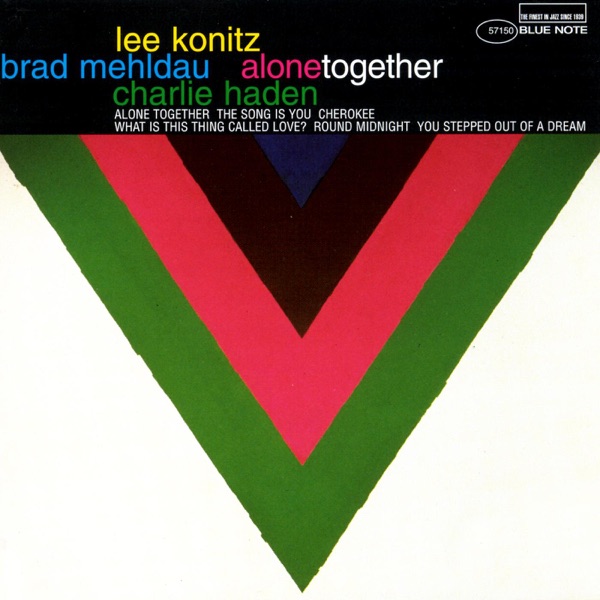
Alone Together 1959
Lee Konitz
plays alto saxophone here
plays alto saxophone here
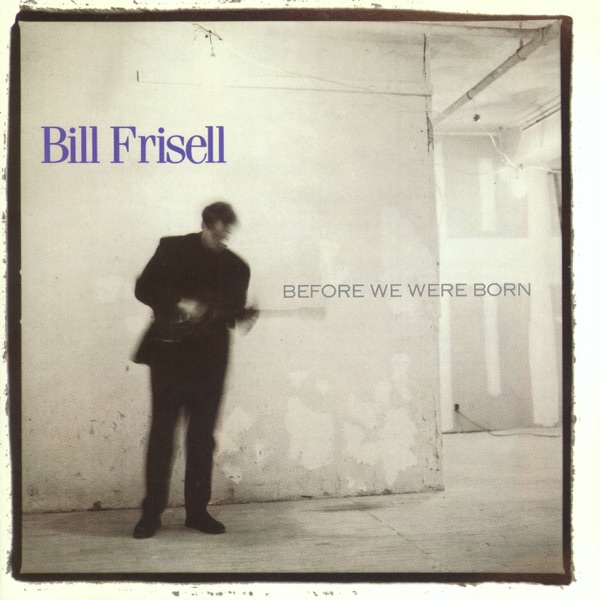
Before We Were Born 1989
Bill Frisell
plays electric guitar here
plays electric guitar here
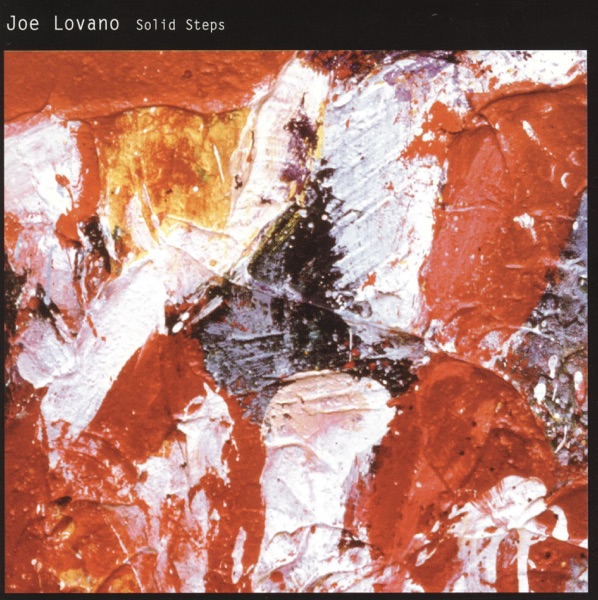
Solid Steps 1986
Joe Lovano
plays tenor saxophone here
plays tenor saxophone here


