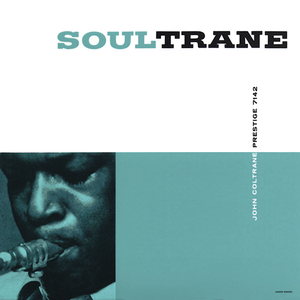
1958 · Album
Soultrane
Recorded 1958, at Van Gelder Studio, Hackensack, New Jersey · Prestige Records (catalogue no. 7142) · Produced by Not specified in provided source material
Three Days After Miles: The Soultrane Session
Recorded fresh off a Columbia date, Coltrane brought a restless energy to Prestige that feels lived-in and urgent.
Soultrane arrived in 1958 as a document of Coltrane working in tight quarters. The session took place at Rudy Van Gelder's studio in Hackensack, New Jersey, just three days after Coltrane had walked out of a Miles Davis recording for the Milestones (1958) album at Columbia. That proximity matters. Coltrane was already in motion, already thinking, and when he stepped into Van Gelder's room, he brought that momentum with him. The mono recording captures something immediate and unpolished in the best way — these are working takes, not elaborate productions.
By this point in his career, Coltrane was stretching beyond the hard bop vocabulary he'd mastered as a sideman. Soultrane sits in that middle ground where he was still finding his voice, still figuring out what his saxophone could do when given room to breathe. The material is solid without being flashy, and the recording itself has a clarity that serves the music well. Van Gelder's engineering gives you space to hear what's actually happening in the room — no gloss, no studio tricks. AllMusic gave it four stars, which feels right for an album that's interesting and accomplished without overstating what it is.
This isn't Coltrane at his most searching, and it's not the place most people start. But it's essential if you want to understand how he got from being a competent tenor player in other people's bands to becoming someone who would remake jazz on his own terms. Soultrane is Coltrane thinking out loud, three days after another gig, in a New Jersey studio, with tape rolling.
Who's playing
Where next?
More by John Coltrane
All 19 albums →


The musicians on this record
Their own records, close in time