
Five Players, One Restless Vision
Di Meola surrounded himself with restless musicians who refused to sit still, and the album burns because of it.
By 1983, Al Di Meola had already proven himself as a guitarist — fast, precise, fluent in fusion and Latin idioms. Scenario finds him in a different mode: collaborative, almost conversational. He's brought together Jan Hammer on keyboards, Tony Levin on bass, and two drummers, Bill Bruford and Phil Collins, which alone tells you something about the ambition here. This isn't a guitar showcase. It's five strong players working out what they can do together.
The record feels like controlled restlessness. Hammer's keyboards shift between angular synth work and more traditional voicings, never settling into one texture for long. Levin's bass is active and melodic, treating the low end as another conversation partner rather than a foundation to sit on. Having both Bruford and Collins on the session could have been gimmicky, but instead it creates layers — the drums are conversational too, with patterns that lock in and then break apart. Di Meola's guitar is still the focal point, but he's clearly enjoying having this much company. The playing is clean and intricate without feeling precious.
This isn't Di Meola's best-known album, and it's not the easiest entry point to his work. If you're new to him, start with Elegant Gypsy (1977) instead. But Scenario matters because it shows him thinking about texture and arrangement rather than just speed and technique. The songs breathe. There's space. It's a solid record from a musician comfortable enough to step back and listen.
Who's playing
Where next?
More by Al Di Meola

Friday Night in San Francisco 1981
Elegant Gypsy 1977
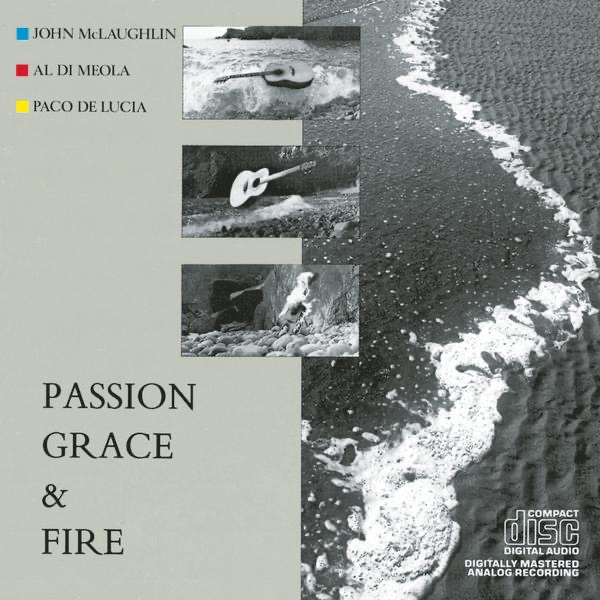
Passion, Grace & Fire 1983
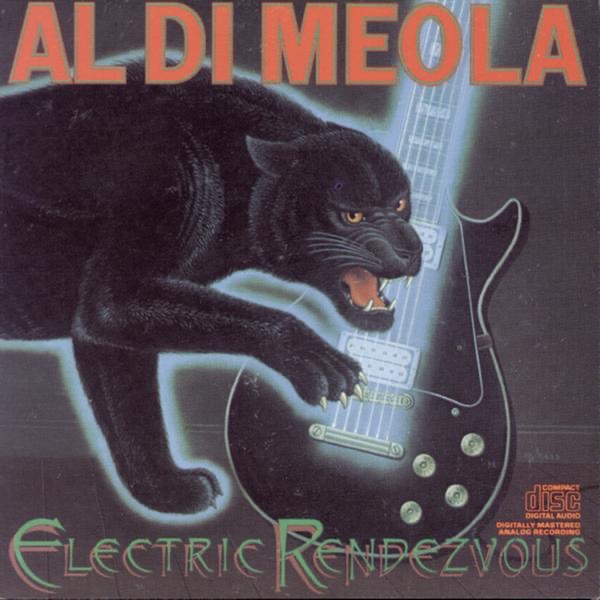
Electric Rendezvous 1982
The musicians on this record
Their own records, close in time


