Gil Evans Live: The Orchestral Middle Years
After studio success in the early seventies, Evans turned to live performance as his primary recording method.
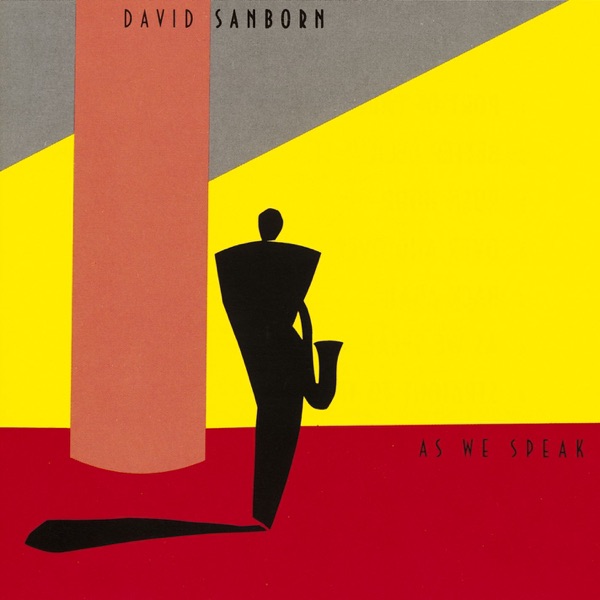
By 1977, Gil Evans had largely shifted from studio work to concert performance, and Priestess captures him leading a full orchestra through music that balances composition with space for soloing. This was not a departure for Evans — his arranging voice was fully formed — but rather a change in how and where he recorded. The band featured strong voices: David Sanborn, Arthur Blythe, and George Adams on saxophones, a three-trumpet front line with Lew Soloff and Hannibal Marvin Peterson, and the steady rhythm section of Steve Neil on bass and Sue Evans on drums.
The music here is direct and energetic in ways that suited the concert setting. Evans's orchestrations give each soloist room to breathe, and the ensemble playing has a live urgency that studio sessions don't always capture. Scott Yanow, reviewing for AllMusic, called it one of Evans's better live sets, noting that the music stays quite stimulating and exciting throughout — not merely competent, but genuinely engaging.
The album earned a Grammy nomination in 1984 for Best Jazz Instrumental Performance, Group, which speaks to how seriously the record was taken. It's representative of Evans's later period: a working bandleader committed to live performance, still composing and arranging with intelligence, still drawing strong musicians to his stand. Not his commercial peak, but exactly the kind of serious orchestral jazz Evans had been building toward since his Miles Davis arranging days.
Who's playing
Steve Neilbass
Gil Evanspiano
Keith Lovingguitar
George Adamstenor saxophone
Arthur Blythealto saxophone
David Sanbornalto saxophone
Hannibal Marvin Petersontrumpet
Ernie Royaltrumpet
Lew Solofftrumpet
Jimmy Kneppertrombone
Sue Evansdrums
John ClarkFrench horn
Howard Johnsontuba
Pete Levinkeyboard
Bob Stewarttuba
Where next?
More by Gil Evans
All 29 albums →


The musicians on this record
Their own records, close in time