1968 · Album
Portrait of Carmen
Recorded 1968 · Atlantic Records · Produced by Nesuhi Ertegun

Carmen McRae, Heard in Full
Four arrangers, one voice — and somehow Carmen McRae holds it all together.
By 1968, Carmen McRae had been recording for nearly two decades and had long since proven she didn't need much help making a song her own. Portrait of Carmen (1968) is an interesting case, though — not because it's her best record, but because of how ambitious the setup is. Four different arrangers: Oliver Nelson, Shorty Rogers, Benny Carter, and Gene Di Novi. Each brings a different weight and color to the sessions, and the result is an album that doesn't feel like a unified statement so much as a showcase of how adaptable McRae could be. That's not a complaint. It's actually one of the more honest things the album has going for it.
The arrangements range from lush orchestral settings to something leaner and more jazz-forward, depending on who's behind the pen on a given track. Nelson's contributions in particular tend toward the fuller end of the spectrum — he had a gift for writing for larger ensembles without smothering a vocalist, and McRae benefits from that restraint. Carter, a veteran by this point in his own right, brings a more classic sensibility. The variety keeps the album from feeling monotonous, though it does mean the listening experience is a little uneven in places.
What stays constant is McRae herself. She was never the kind of singer who leaned on prettiness — her phrasing was deliberate, almost conversational, and she had an ear for the emotional weight inside a lyric that most singers just step over. Atlantic Records gave her a decent budget and a sympathetic producer in Nesuhi Ertegun, and it shows. This isn't a corner-cutting record. It's a well-made, professionally executed album from a singer at the height of her powers, and that's genuinely worth something.
Who's playing
Ray Brownbass
George Robertsbass trombone
Ernie Tackbass trombone
Norman Simmonspiano
Tommy Tedescoguitar
Dennis Budimirguitar
Howard Robertsguitar
John Collinsguitar
Gene Ciprianosaxophone
Dominick Ferasaxophone
Justin Gordonsaxophone
John Lowesaxophone
Ted Nashsaxophone
Buddy Collettesaxophone
William Greensaxophone
Anthony Ortegasaxophone
Frank Stroziersaxophone
John Audinotrumpet
James Salkotrumpet
Jimmy Zitotrumpet
Bob Bryanttrumpet
Conte Candolitrumpet
Freddie Hilltrumpet
Al Porcinotrumpet
Joe Howardtrombone
Dick Nashtrombone
Lew McCrearytrombone
Lou Blackburntrombone
Billy Byerstrombone
Frank Rosolinotrombone
Harry Kleeflute
Victor Feldmandrums
Jack Sperlingdrums
Earl Palmerdrums
Shelly Mannedrums
Dale Andersonpercussion
Louis Singerpercussion
[unknown]cello
Richard PerissiFrench horn
Henry SigismontiFrench horn
Ann Mason Stocktonharp
David DukeFrench horn
William HinshawFrench horn
Where next?
More by Carmen McRae

Live at Bubba's 1988

By Special Request 1956
♫
Take Five at Basin Street East 1961

Carmen Sings Monk 1990
The musicians on this record
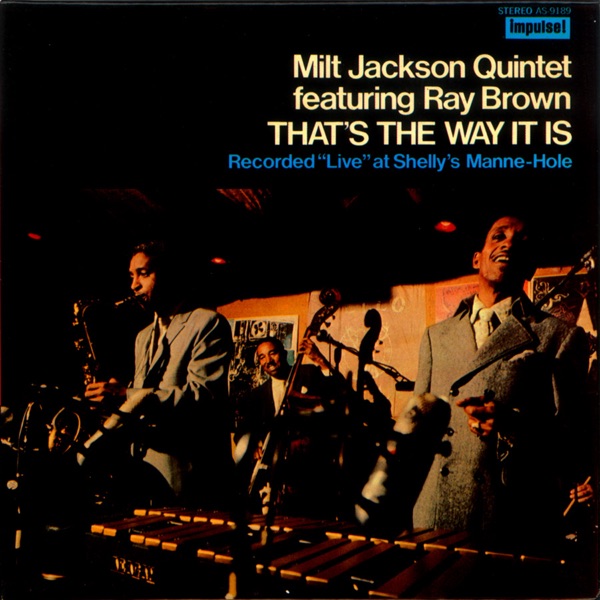
That's the Way It Is 1969
Ray Brown
plays bass here
plays bass here

Sounds! 1966
Shelly Manne
plays drums (drum set) here
plays drums (drum set) here



