1957 · Album
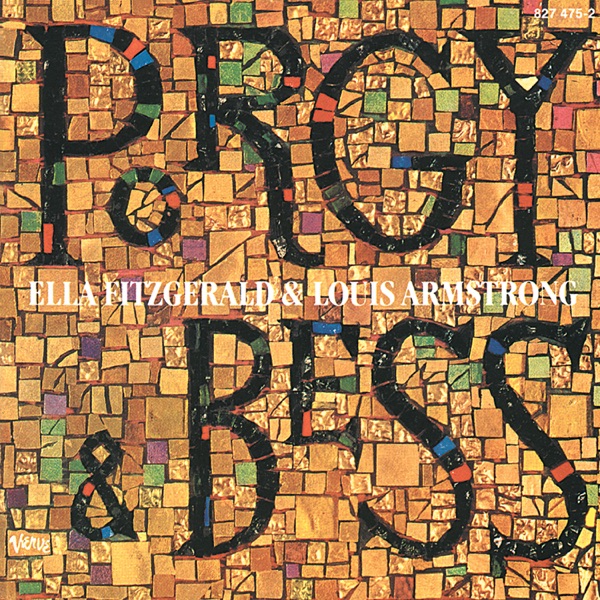
Porgy & Bess
Recorded 1959 · Verve Records · Arranger: Russell Garcia
When Ella and Pops Met Gershwin
The album earned Grammy Hall of Fame status, recognized as the most musically successful jazz vocal version of the opera.
By 1959, Louis Armstrong and Ella Fitzgerald were already legends, but Verve Records had the good sense to pair them on Porgy and Bess (1959), their third and final album together. This wasn't a rush job or a nostalgia grab—it was a considered take on George Gershwin's opera, arranged with care by Russell Garcia, who'd handled similar work before. The record landed as a major release from a major label, and critics paid attention immediately. AllMusic's reviewer singled out Fitzgerald's handling of each aria—she brings "disarming delicacy, clarion intensity, or usually a blend of both"—while noting that Armstrong "really savored each duet," his trumpet work characteristically strong even though the material doesn't call for a lot of it. The chemistry between them matters more than any individual solo.
What separates this version from other jazz readings of Gershwin isn't novelty or reinvention. It's the quality of the singing and the respect both artists show the material. Armstrong doesn't try to wreck the opera or remake it in his image; he honors it while staying himself. Fitzgerald does something similar—she's not showing off her range so much as inhabiting each moment. The orchestrations support them without drowning anything out.
The album's reputation only grew. It was awarded a Grammy Hall of Fame Award in 2001, more than forty years after release, a recognition reserved for recordings with genuine historical weight. It remains the strongest jazz vocal version of Porgy and Bess on record, which says something about both the singers and the durability of what they made.
Who's playing
Joe Mondragondouble bass
Paul Smithpiano
Tony Rizziguitar
Frank Beachtrumpet
Louis Armstrongtrumpet
Buddy Childerstrombone
Alvin Stollerdrums
Victor Arnoviolin
Vincent DeRosaFrench horn