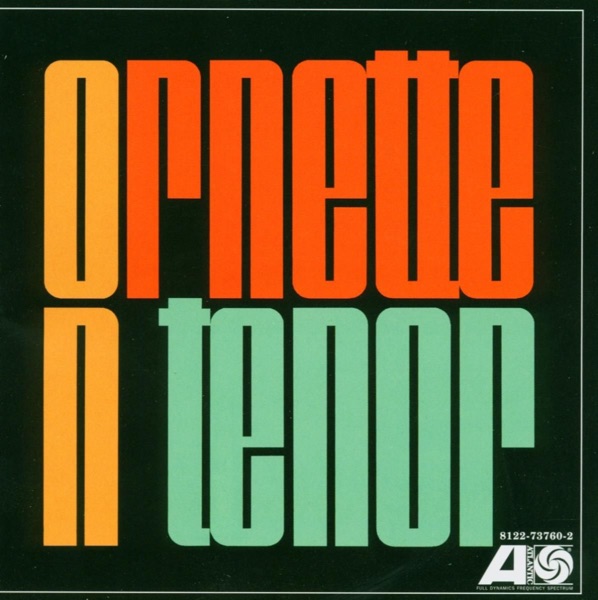
Coleman's Tenor Turn on Atlantic
Ornette Coleman trades his alto for tenor and sounds completely at home, free and restless in the same breath.
Ornette on Tenor opens with Coleman's tenor saxophone sounding a little rougher and more gravelly than the bright, keening alto he's known for. The quartet moves with a loose, almost conversational looseness, Don Cherry's pocket trumpet darting in and out of the lines while Jimmy Garrison and Ed Blackwell keep things grounded enough that you never feel lost. Tempos shift freely, and the mood stays restless but never anxious.
Coleman had been pushing against harmonic and rhythmic convention for years, and this record is a clear product of that work. Most of the album is improvisation, with a few compositions threaded through it. The tenor gives his phrasing a different weight, a bit darker and more muscular, and you can hear him exploring what the instrument does differently from the alto. It's not a showcase of technique so much as a band figuring out how far it can stretch.
This is the eighth album under his name and the last of six for Atlantic, and it closes out the Coleman Quartet that had been together since the 1950s. Coleman broke that group up soon after and formed a trio later in the year. If you're new to him, this isn't the place to start; begin with The Shape of Jazz to Come (1959). But for listeners already following his arc, this is a worthwhile record showing the quartet at its last full stretch.
Who's playing
Where next?
More by Ornette Coleman

The Shape of Jazz to Come 1959

New York Is Now 1968

Something Else!!!! The Music of Ornette Coleman
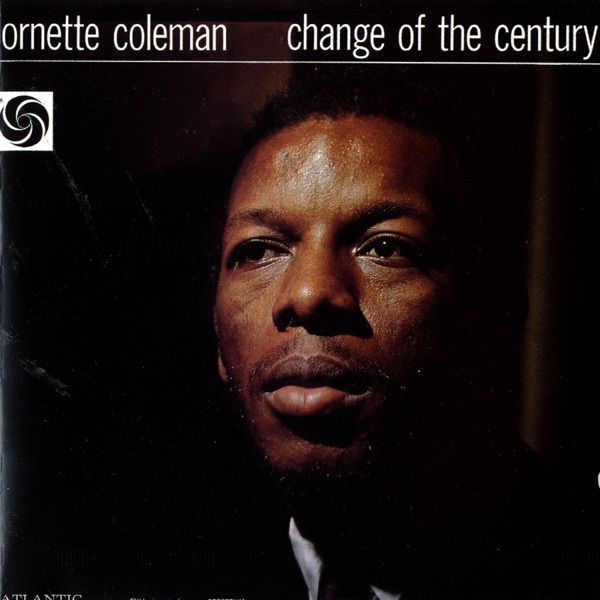
Change of the Century 1960
The musicians on this record
Their own records, close in time


