1995 · Album
Only Trust Your Heart
GRP Records · Released: February 14, 1995 · Type: Second studio album

Second album, second chances, solid ground
Krall's second record found its footing with critics who recognized a pianist hitting her stride early.
Only Trust Your Heart arrived in early 1995 as Diana Krall's second studio album, and it landed in a middle position — not an immediate breakthrough, but solid enough that critics took notice. AllMusic gave it three stars, The Penguin Guide to Jazz on CD awarded 3.5 out of 4, and The Rolling Stone Jazz & Blues Album Guide matched that at 3.5 out of 5. These are the ratings of a record that works, that shows promise, but that hasn't yet made the leap into something undeniable.
What matters about this album is that it shows Krall early in her career, still finding her voice at the piano. She wasn't yet the household name she would become, but the groundwork was there — a pianist with real facility, thoughtful about standards and what they could offer. For listeners discovering her in the mid-nineties, this was a legitimate entry point, a chance to hear her in a straightforward trio or quartet setting, playing material that demands musicianship without tricks. The album didn't explode on release, but it didn't need to. It was the kind of record that built an audience slowly, one listener at a time, through radio play, word of mouth, and the simple fact that it was competently made by someone worth following.
The critical response suggested Krall had something, even if they weren't ready to declare her essential. Later records would take bigger risks and reach wider audiences, but Only Trust Your Heart did what a second album is supposed to do — it proved the first wasn't a fluke, and it gave people a reason to stick around for what came next.
Who's playing
Ray Browndouble bass
Christian McBridedouble bass
Diana Krallpiano
Stanley Turrentinesaxophone
Lewis Nashdrums
Where next?
More by Diana Krall
All 22 albums →


The musicians on this record

More Than a Mood 1992
Stanley Turrentine
plays saxophone here
plays saxophone here
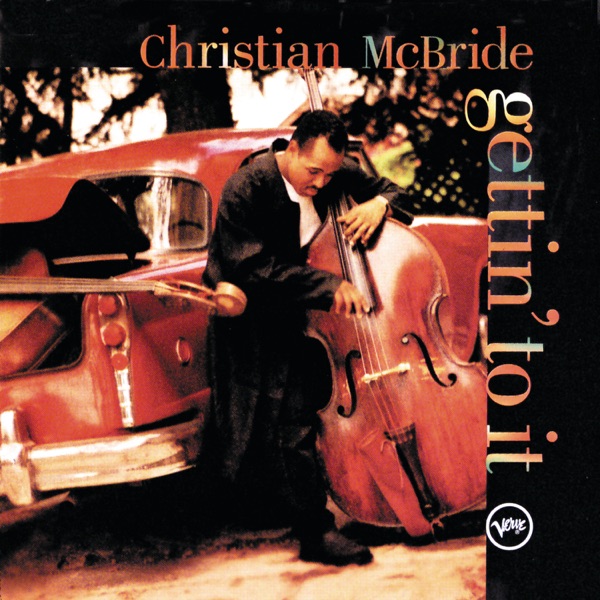
Gettin' To It 1994
Christian McBride
plays double bass here
plays double bass here
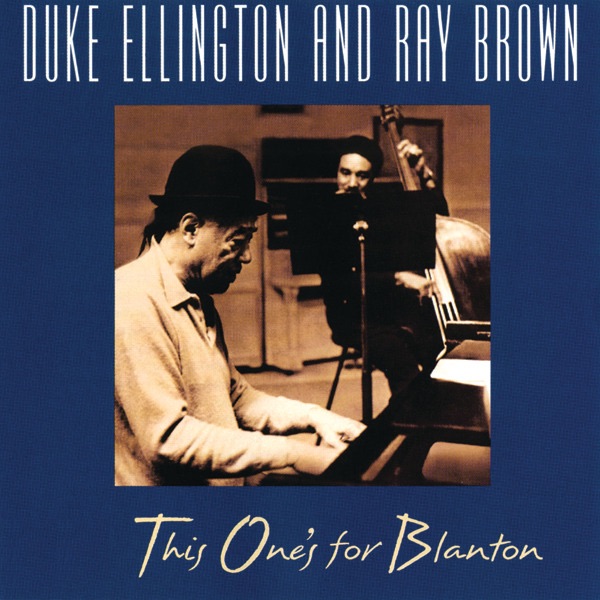
This One's for Blanton! 1975
Ray Brown
plays double bass here
plays double bass here


