1972 · Album
Ode
Recorded 1972, Oxford Town Hall, as part of the English Bach Festival · Incus (original release as double album) · Produced by Not credited
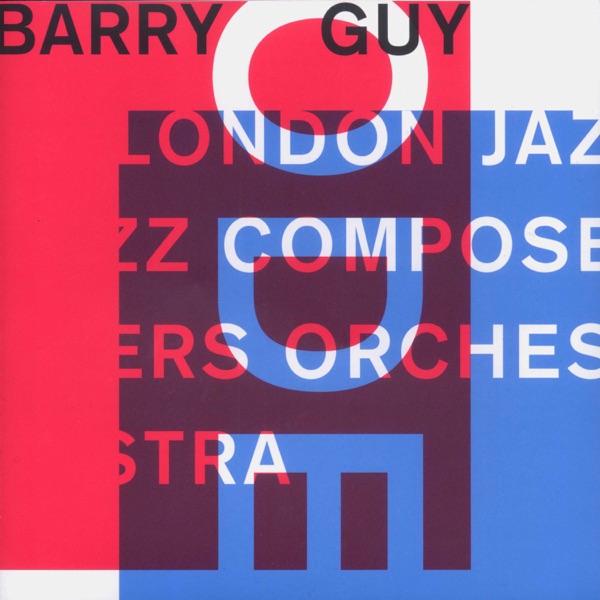
Orchestral Invention at the Edges of Jazz
A large ensemble work that treats the orchestra as a laboratory for sound rather than a vehicle for swing.
Ode opens with dense, layered textures—strings and woodwinds moving in counterpoint while the rhythm section holds back. There's no head-solo-head formula here. Instead, Barry Guy's compositions unfold as written pieces where each section of the orchestra has its own logic, its own melodic and harmonic agenda. Horns crack through sudden openings. Pizzicato bass figures anchor floating harmonic clouds. It's orchestral music that happens to use jazz musicians, and it happens to happen in jazz venues. The sound is intricate, sometimes austere, never quite settling into a groove you can predict.
Guy composed these works as serious classical pieces—he studied under Buxton Orr, and that classical training shows in the architecture. Yet the players are drawn from the London improvisation scene, and their instinct for collective response to one another gives the arrangements a kind of breathing room that pure composed music often lacks. Recorded live at Oxford Town Hall as part of the English Bach Festival, the performance has the weight of a real occasion. This is large-ensemble work that questions what jazz orchestration could be if you stopped asking it to swing and started asking it to think.
The Penguin Guide to Jazz included Ode in its Core Collection with a Crown rating—a mark of special admiration usually reserved for records that reshaped how people heard jazz. That recognition points to the album's genuine oddness: it sits apart from the British jazz mainstream of its moment, uninterested in the dance or the blues, committed instead to composition and textural exploration. It's not easy listening and it's not meant to be. Early listeners found it demanding. Those who connect with it tend to come back repeatedly.
Who's playing
Jeff Clynedouble bass
Barry Guydouble bass
Chris Laurencedouble bass
Howard Rileypiano
Derek Baileyguitar
Bernhard Livingalto saxophone
Mike Osbornealto saxophone
Evan Parkersaxophone
Alan Wakemansaxophone
Trevor Wattssaxophone
Harry Becketttrumpet
Michael Gibbstrombone
Paul Niemantrombone
Paul Rutherfordtrombone
Paul Lyttonpercussion
Tony Oxleypercussion
Marc Charigcornet
Bob Downeswoodwind
Dick Harttuba
Dave Holdsworthflugelhorn
Karl Jenkinswoodwind
Where next?


The musicians on this record
♫
The Topography of the Lungs 1970
Evan Parker
plays saxophone here
plays saxophone here
♫
4 Compositions for Sextet 1970
Tony Oxley
plays percussion here
plays percussion here
♫
Derek Bailey & Han Bennink 1972
Derek Bailey
plays guitar here
plays guitar here



