The Bassist Who Refused to Choose
Barry Guy came up in London in the late 1960s, right as British free improvisation was figuring out what it even was. He fell in with Evan Parker and Paul Lytton, and that trio became one of the great long-running conversations in improvised music — three players who could go from total silence to full roar and back without anyone signaling the change. Guy's bass in that context isn't keeping time, because there often isn't time to keep. He's an equal voice, scratching, thumping, bowing harmonics that sound more like a theremin than a jazz bass.
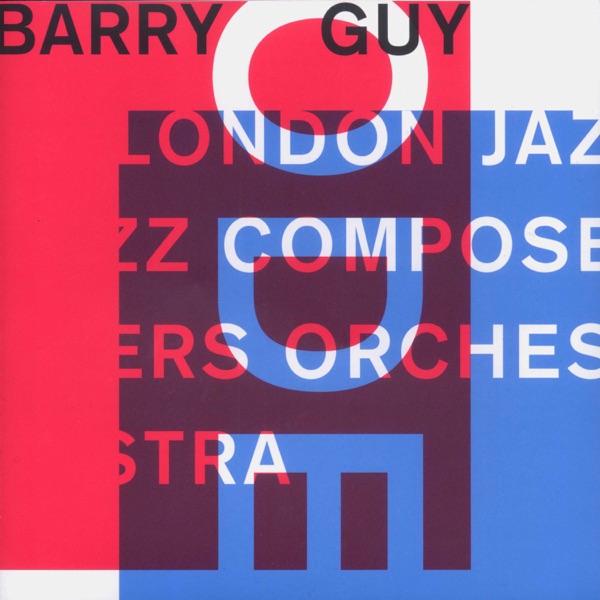
What makes Guy different from most of his free-improv peers is that he never gave up on composition. In 1970 he started the London Jazz Composers' Orchestra, a big band built to hold together some of the most unruly improvisers in Europe inside actual written structures. Albums like Harmos (1989) show what that sounds like — dense, shifting charts that leave room for total chaos to break out and then get reabsorbed. It's not easy listening. It's also not noise for noise's sake; there's real architecture under the mess.
Guy has a parallel life most jazz listeners don't know about: he's a serious early music player, performing Baroque repertoire on gut strings with his wife, violinist Maya Homburger. That might sound like a strange detour, but it isn't really separate from his improvising at all. The same attention to bow pressure, to the physical grain of a sustained note, shows up whether he's playing Biber or playing free with Marilyn Crispell. He treats the instrument's history as material, not baggage.
What you get across his catalog is a guy who refuses to be pinned to one scene. He's a free player who reads old manuscripts for fun, a composer who writes for orchestras full of people who'd rather ignore the page. If you want to understand why British free improvisation didn't just become noise and stayed a real compositional tradition, Guy's one of the main reasons.