The Guitar Unlearned
Derek Bailey came up the normal way — playing in working dance bands around Sheffield, doing session work, reading whatever was put in front of him. He was good at it too, good enough to make a living. Then somewhere in the 1960s he decided he didn't want to play anything that sounded like it had been played before, by anyone, including himself. That's a strange thing to build a career on, but he did it for nearly forty years.
What you hear on a Bailey record is hard to describe without sounding like you're making fun of it. Notes that don't resolve. Clusters that seem to come from nowhere and go nowhere. Long silences. He played acoustic and electric guitar with the same prickly, non-idiomatic logic, refusing to lean on jazz phrasing, blues phrasing, or classical technique even though he clearly knew all three cold. The result is music that sounds improvised in the truest sense — not a solo over changes, but a conversation with no script, sometimes with himself, sometimes with whoever was in the room.
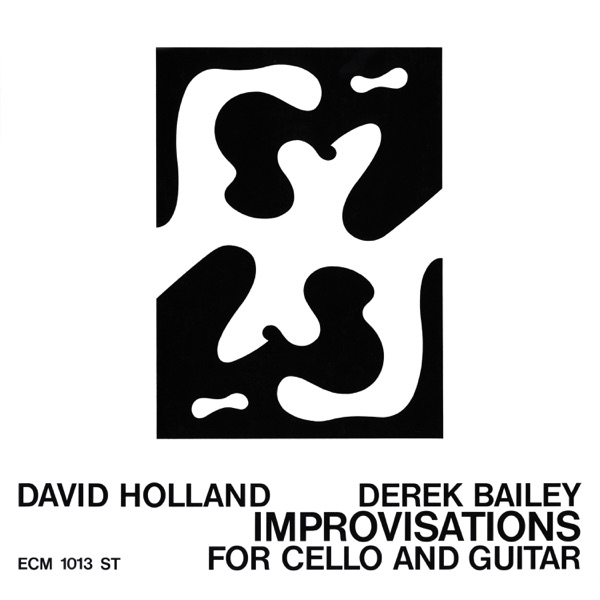
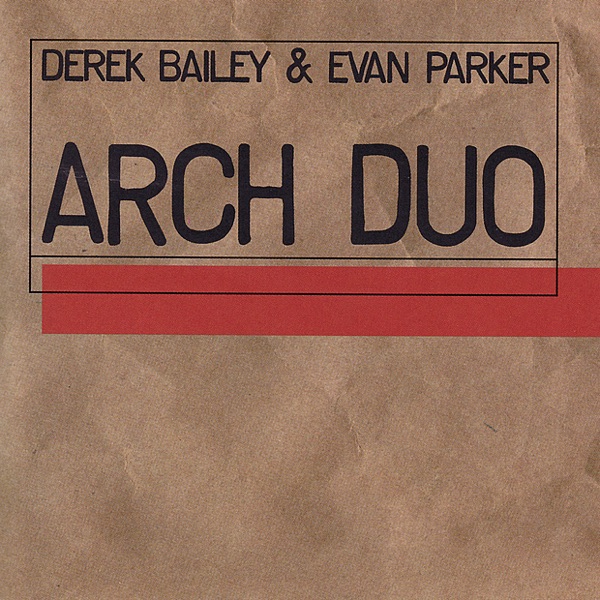
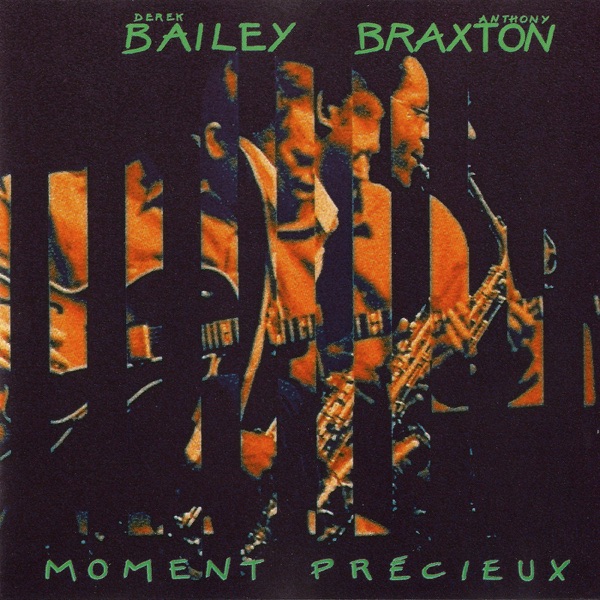
He co-founded Incus Records (1970) with Evan Parker and Tony Oxley because nobody else was going to put this stuff out, and he later ran Company, a rotating cast of improvisers he'd throw together for a week at a time just to see what happened. He played with Anthony Braxton, with drummer Han Bennink, with guitarist Pat Metheny on the unlikely and wonderful The Sign of 4 (1996), and even recorded an album of jazz standards called Ballads (2002) late in life, just to prove the vocabulary was still in his hands even when he chose not to use it. He also wrote the book on the subject, literally — Improvisation: Its Nature and Practice in Music (1980) is still the reference point for anyone trying to think seriously about what free playing actually is.
I wouldn't hand a Bailey record to someone looking for a nice night of jazz guitar. This isn't that, and it's not trying to be. But if you're curious about where the outer edge of the instrument actually is — what happens when someone throws out scales, chords, and swing and starts from zero — he's the one to go to. Start with something short. Let it be uncomfortable. That's kind of the point.