Haden's Impatient Reimagining of Standards
A bassist refusing to let familiar melodies slide into comfort, pushing against their own gentleness.
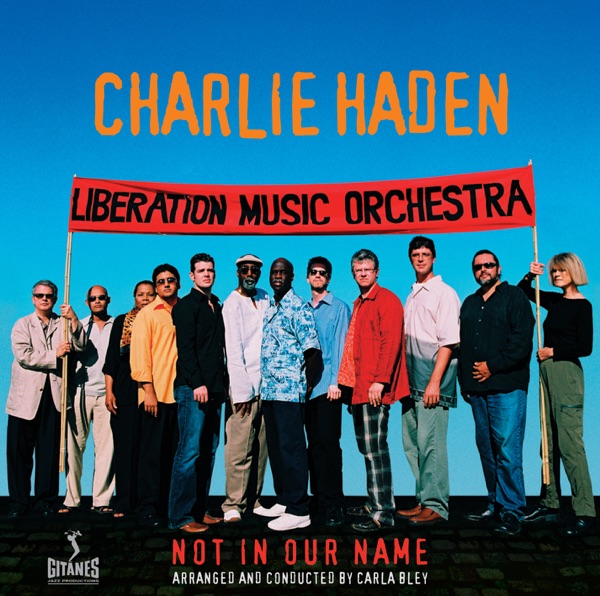
Charlie Haden recorded Not in Our Name (2004) at a moment when he had already spent decades inside the American songbook. What makes this record distinctive is its restlessness. Haden takes standards—tunes that have been played so many times they risk becoming invisible—and treats them like problems to solve rather than monuments to preserve. The playing is spare and thoughtful, but there's an edge underneath, a refusal to let melody dominate just because melody is easy.
The Penguin Guide to Jazz caught something real about what's happening here: the record shows respect for these songs, yes, but also "a certain impatience over the routine sentimentalization of these lovely tunes, particularly at a time when the country is again at war." That observation matters because it's not abstract. Haden was working in 2004, and this album doesn't pretend that context away. The performances sound deliberate in a way that reflects that moment—not angry exactly, but awake to something beyond the notes on the page.
If you know Haden's work, this isn't a departure so much as a deepening. He'd been rethinking jazz standards for years. But here the interplay between his bass and the other voices feels tighter, more alert. The record won't reinvent how you hear these songs, and it's not trying to. What it does is remind you that a standard is only as good as the attention a musician brings to it, and Haden brings real attention.
Who's playing
Charlie Hadenbass
Carla Bleypiano
Steve Cardenasguitar
Chris Cheektenor saxophone
Tony Malabyflute, tenor saxophone
Miguel Zenónalto saxophone
Seneca Blacktrumpet
Michael Rodrigueztrumpet
Curtis Fowlkestrombone
Matt Wilsondrums
Sharon FreemanFrench horn
Where next?
More by Charlie Haden
All 44 albums →


The musicians on this record

The Lost Chords 2004
Carla Bley
plays piano here
plays piano here

Awake 2008
Miguel Zenón
plays alto saxophone here
plays alto saxophone here

Out In PA. 1999
Matt Wilson
plays drums (drum set) here
plays drums (drum set) here