Where do you listen?
Choose your streaming service
inside the sleeve
Loading…
inside the sleeveITS
⌕
Read About

♫

Facts
Connections
Read more

Discography

Collaborations

Live on Youtube

Explore Further

Selected connections
1964 · Album

Mingus Mingus Mingus Mingus Mingus

↑ Charles Mingus

Recorded 1959 · Columbia Records · Produced by Teo Macero
Mingus Mingus Mingus Mingus Mingus

Mingus Painting in Five Shades of Himself

Five versions of the same piece show you how Mingus thought about composition as a living, breathing argument.

The title tells you something important: this album is not about variety. Charles Mingus Jr. took one composition, "Mingus Mingus Mingus Mingus Mingus," and recorded it five different ways. Most bandleaders would call that redundant. Mingus called it exploration. Each take lets you hear how the same melody, harmony, and structure can become completely different things depending on who's playing it, how they approach it, and what mood the room is in. That's the whole philosophy compressed into one album.

This sits in the middle of Mingus's catalog — after Pithecanthropus Erectus (1956) and Mingus Ah Um (1959), so he's already proven himself as a composer and bandleader who can do bebop, avant-garde, and everything between. By this point he's stopped trying to convince anyone he matters. The five versions here range from relatively straightforward to pretty wild, and none of them feel like he's chasing something he missed the first time. Instead it feels like he's saying: you want to understand how I write? Watch what happens when the variables change. The rhythm section tightens up here. The horns get looser there. Suddenly the piece becomes something else entirely. It's less album, more object lesson.

This is not the place to start with Mingus — Mingus Ah Um is more rewarding on first listen. But if you've spent time with his work and want to see how his mind actually operated, this is worth the time. It's stubborn and specific, the kind of thing only Mingus would think to record. Not a masterpiece, but genuinely interesting.

Who's playing
Charles Mingusdouble bass
Jaki Byardpiano
Jay Berlinerguitar
Eric Dolphyalto saxophone, flute
Booker Ervintenor saxophone
Dick Hafertenor saxophone
Jerome Richardsonsoprano saxophone
Charlie Marianoalto saxophone
Eddie Prestontrumpet
Richard Williamstrumpet
Rolf Ericsontrumpet
Britt Woodmantrombone
Quentin Jacksontrombone
Walter Perkinsdrums
Dannie Richmonddrums
Don Butterfieldtuba
Listen next
By Charles Mingus
Ah Um 1959
Eric Dolphy's own record
Out to Lunch 1964
Eric Dolphy plays alto saxophone here
More Post-Bop
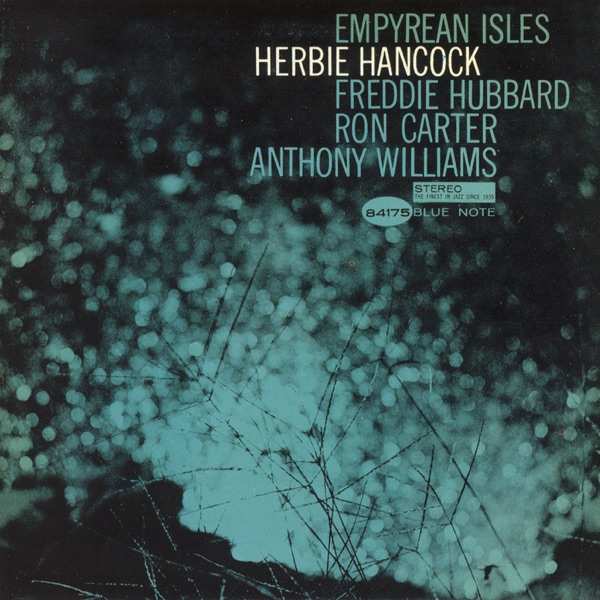
Empyrean Isles 1964
Herbie Hancock
Recording Info
Track listing
1II B.S.4:46
2I X Love7:38
3Celia6:31
4Mood Indigo6:43
5Better Get Hit in Yo' Soul6:28
6Theme for Lester Young5:49
7Hora Decubitus4:41
Musicians
Further Reading
Read more

Where next?

More by Charles Mingus
Ah Um 1959
Mingus Ah Um 1959
The Black Saint and the Sinner Lady 1963
The Black Saint and the Sinner 1963
All 13 albums →
The musicians on this record
Out to Lunch 1964
Eric Dolphy
plays alto saxophone here
The Freedom Book 1963
Booker Ervin
plays tenor saxophone here
Parisian Solos 1971
Jaki Byard
plays piano here
Their own records, close in time
More Post-Bop
Empyrean Isles 1964
Herbie Hancock
At the Five Spot, Volume 1 1961
Booker Little
Inception 1962
McCoy Tyner
Third Season 1967
Hank Mobley
All 235 Post-Bop artists →

More by this artist

Albums with the same musicians

From the same era

Similar artists

inside the sleeve
Growing
Jazz, explained without pretension.
Read · Follow the connections · Press play
Right now: 7,100+ albums · 440+ artists
Start here
New to jazz? These artists are good places to start.
Loading…
Explore
Nine records worth getting lost in.
Born today
Album of the day
A landmark record, every day.
Read
  • Loading…
Article archive →
Recently added
Purpose
Inside the Sleeve is your companion on a journey through jazz — not a textbook, but something closer to a knowledgeable friend sitting next to you while you listen. Read about an artist, press play, follow a connection, discover an album you didn't know you needed.
Suggestions
Read

Articles

Essays, guides, and lists about jazz and the records that matter.

Loading…

Genre

Key Artists
Further Reading

Essential Albums

Related Genres

In This Genre

About

Inside the Sleeve

Work in progress

Inside the Sleeve grows continuously — new artists and albums are added, essays refined, as visitors explore and our editors follow up on what they find. Content, features, and design are still evolving; use the Report error button on any page to flag something that seems off.

Content

Every artist, album, and release date on Inside the Sleeve is real — verified against trusted sources including MusicBrainz and Wikipedia. We don't invent discographies or fabricate records. AI compiles that verified information into readable prose — essays on artists, albums, and the music itself. We can't manually review every essay before publishing, but every reported error is checked by a human editor.

Inside the Sleeve is not a review site. We're not here to rate or rank — we're here to guide you in. Where an album stands out, we'll say so. Where an artist changed everything, you'll know why. But we won't tear anything down. Jazz history is complex and sources sometimes disagree — if you spot something that seems off, please report it.

Streaming

Inside the Sleeve links to Spotify and Apple Music so you can listen while you read. These are not affiliate links. For Spotify, links open a search on open.spotify.com — we do not have direct links to specific recordings. For Apple Music, direct links are used where available, otherwise a search is opened.

Your choice of streaming service is stored locally in your browser only. It is never sent to our servers.

We're working on deeper Spotify integration, including direct links to specific recordings.

Privacy

Inside the Sleeve does not collect personal data and does not use cookies. We count page visits anonymously using a self-hosted analytics tool — no personal identifiers are stored, and the data never leaves our own server. The only preference stored on your device is your streaming service choice, saved locally in your browser and never transmitted.

When you submit a suggestion or error report, the text you write is stored in our database. No name or email is required or collected unless you choose to provide one.

Third-party services

Spotify and Apple Music are independent services with their own terms of use and privacy policies. Inside the Sleeve is not affiliated with or endorsed by either company.

Support

Inside the Sleeve is free and ad-free. If you enjoy it, a coffee helps cover server costs and keeps the project going.

Amazon

Some book recommendations on Inside the Sleeve link to Amazon. Buying through these links costs you nothing extra — but Amazon pays us a small commission, which goes directly towards keeping the site running. It's a simple way to support the project if you were going to buy the book anyway.

As an Amazon Associate, Inside the Sleeve earns from qualifying purchases.

Questions or feedback? Use the suggestion box on the front page.

Inside the Sleeve — A guide for those who want to go beyond the obvious About & Privacy