1976 · Album
Magical Shepherd
Recorded 1976 · Atlantic Records · Produced by Miroslav Vitouš

Vitouš Conducts a Open Ensemble Dance
A bassist leading from the bottom, letting soloists breathe while holding everything in motion.
Magical Shepherd arrived in 1976 as a modest release that never quite broke through to wide recognition, but it stands as one of Vitouš's most cohesive statements as a bandleader. The album didn't generate immediate critical noise, and it has remained largely overlooked even among serious jazz listeners — a record that rewards attention without demanding it.
What makes it work is the restraint. With Herbie Hancock on Rhodes and Jack DeJohnette and James Gadson sharing drumming duties alongside Airto Moreira on percussion, Vitouš could have let things sprawl into fusion excess. Instead, he keeps the ensemble tight, the tempos conversational, the grooves rooted. Hancock's electric piano stays textural rather than flashy. The rhythm section breathes like a single organism. Each player gets space without any need to prove anything.
This is not a landmark album, and it's not a peak-career statement either. By 1976, Vitouš was well past his Weather Report days and working steadily as a sideman and bandleader. Magical Shepherd feels like a professional document of that moment — a working band that understood each other, making clean, unpretentious music. It's worth seeking out if you already know and like Vitouš's approach, or if you want to hear how a serious bassist shapes a session without ever stepping into the foreground.
Who's playing
Miroslav Vitoušbass
Herbie HancockRhodes piano
James Gadsondrums
Jack DeJohnettedrums
Airto Moreirapercussion
Where next?
More by Miroslav Vitous
All 29 albums →


The musicians on this record
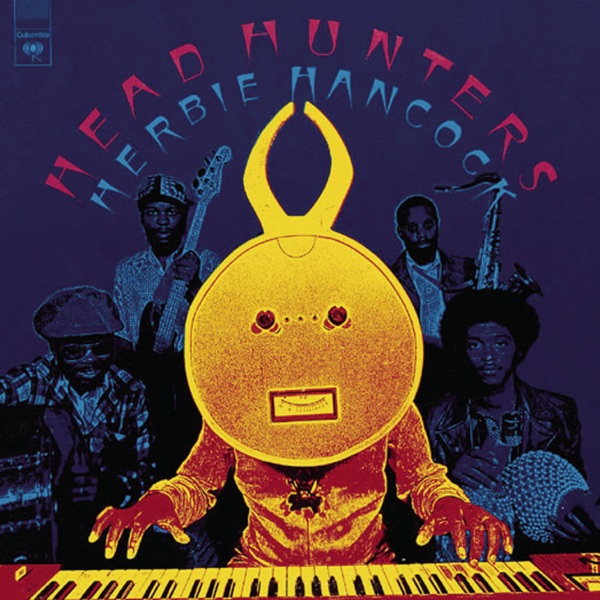
Head Hunters 1973
Herbie Hancock
plays Rhodes piano here
plays Rhodes piano here

Parallel Realities 1978
Jack DeJohnette
plays drums (drum set) here
plays drums (drum set) here
♫
Virgin Land 1974
Airto Moreira
plays percussion here
plays percussion here


