1941 · Album
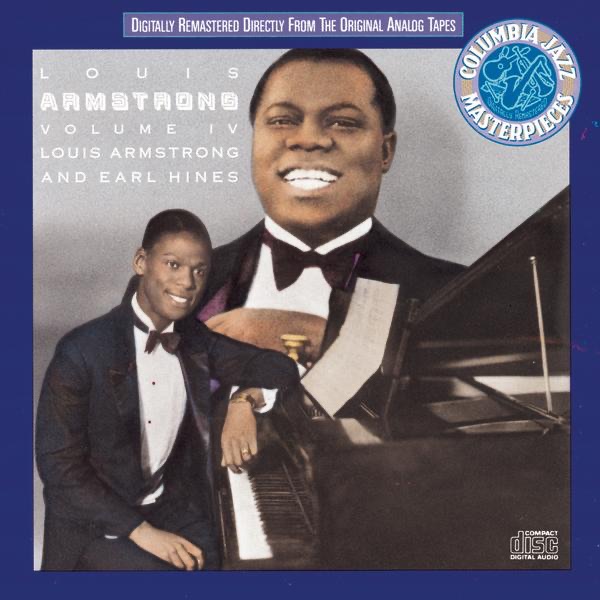
Louis and Earl
Recorded 1959 · Unable to verify with certainty · Produced by Unable to verify with certainty
Two Voices, One Swinging Conversation
Armstrong and Earl trade solos like old friends finishing each other's sentences.
"Louis and Earl" pairs Louis Armstrong with Earl Hines, one of the great pianists of jazz, and the results are straightforward and rewarding. This isn't Armstrong the pop singer chasing hits — this is him in his element, trading phrases with a musician who understands how he thinks. Hines was one of the first pianists to match Armstrong's phrasing on trumpet, and that chemistry shows in every track. Armstrong plays with the kind of relaxed authority that comes from decades of doing this. He's not trying to prove anything. He states a phrase, Hines responds, they build something together.
The album sits comfortably in Armstrong's later period, when he'd already won Grammy Awards and crossed into mainstream success. By this point, some jazz fans dismissed him as a entertainer rather than a serious musician. This record argues otherwise. When you hear him play a ballad, there's real restraint and feeling — no showboating, just a man knowing exactly what a melody needs. The uptempo numbers bounce with the ease of players who'd been through thousands of sessions together. It's not his most essential work, but it's solid, unpretentious stuff that rewards attention.
For listeners new to Armstrong, start with his earlier New Orleans and Chicago recordings — those capture something rawer and more revolutionary. This album works best if you've already heard enough Armstrong to appreciate what he does with space and timing. It's not a peak moment in his career, but it's the kind of record that reminds you why he stayed relevant for five decades. Just two musicians, a rhythm section, and the kind of conversation that only happens when you really know your partner.
Who's playing
Earl Hinespiano
Rip Bassettguitar
Joe Walkeralto saxophone
Albert Washingtontenor saxophone
Louis Armstrongtrumpet
Fred Robinsontrombone
Honoré Dutreytrombone
Tubby Halldrums
Mancy "Peck" Carrbanjo
Zutty Singletoncymbal
Jimmy Strongclarinet
Boyd Atkinsclarinet
Pete Briggstuba
Bill Wilsoncornet