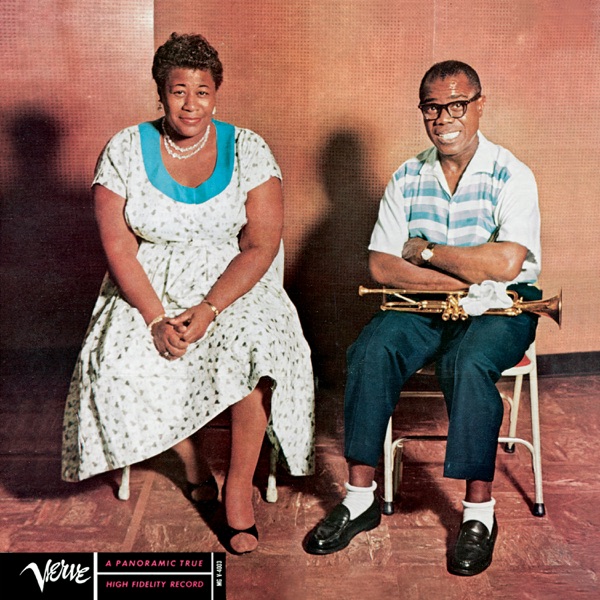
Albert Ammons and the Boogie Sound, 1949
Ammons swings hard in a tight group, no frills—just the boogie-woogie sound that defined an era.
Albert Ammons was already a known quantity by 1949, one of the architects of boogie-woogie piano who had recorded and performed since the late 1930s. This session paired him with Gene Ammons on tenor saxophone, Ike Perkins on guitar, Marvin Randolph on trombone, and the rhythm section of Israel Crosby on bass and drums by Jack Cooley and Alvin Burroughs. The music is straightforward and swinging—Ammons plays the boogie figures he knew inside out while the horns trade over steady, blues-grounded grooves. There's no pretension here, no attempt to elevate or intellectualize. The sound captures what boogie-woogie was at its peak: a dance music, a bar music, a music built on repetition and pocket feel rather than harmonic ambition.
By 1949, boogie-woogie's commercial moment had begun to fade, elbowed aside by bebop and postwar shifts in what sold. This session came late in that particular chapter, which means it exists partly as a document of a style already passing into history. Ammons himself remained active and respected, but this was not a landmark release that moved markets or changed jazz direction. Instead it's a solid professional date—the sound of a working pianist and a good band doing what they knew how to do.
Listen to this if you want to hear boogie-woogie on its own terms, played by someone who owned it, in a group setting rather than the solo piano you might expect. It's useful history and it's also just functional, enjoyable swing. Not every album needs to be a turning point.
Who's playing
Israel Crosbydouble bass
Albert Ammonspiano
Ike Perkinsguitar
Gene Ammonstenor saxophone
Marvin Randolphtrombone
Jack Cooleydrums
Alvin Burroughsdrums
Where next?

The musicians on this record
Their own records, close in time