The Left Hand That Wouldn't Quit
If you want to understand boogie-woogie, you could do worse than starting with Albert Ammons. He grew up in Chicago in the 1910s and 20s, in a city packed with rent parties and after-hours joints where pianists had to fill a room with sound and keep people dancing on nothing but two hands and a beat-up upright. Ammons came out of that world, and it shaped everything he played. His left hand kept a steady, rolling bass pattern going almost like a train engine, while his right hand threw out blues licks, tremolos, and sharp little riffs on top. It's dance music, plain and simple, but played with real muscle and control.
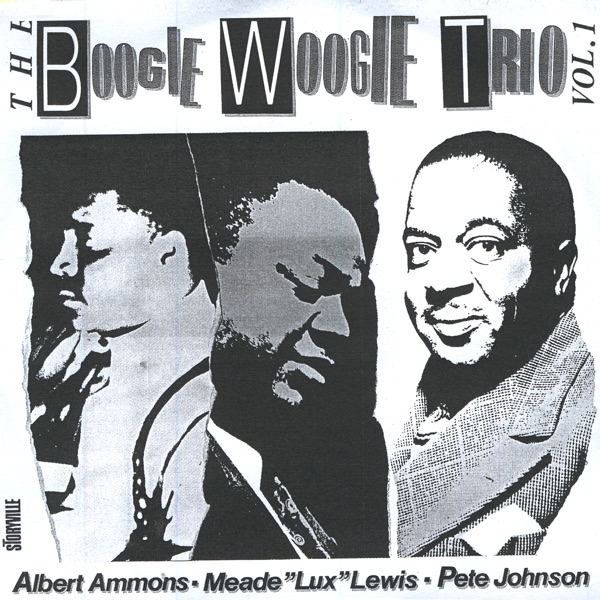
He wasn't alone in this — Meade Lux Lewis and Pete Johnson were doing similar things, and the three of them became closely linked once John Hammond put them together for the famous 1938 "From Spirituals to Swing" concert at Carnegie Hall. That night mattered. It took boogie-woogie out of the South Side taverns and put it in front of a concert-hall audience, and suddenly this rough, percussive style of piano was being talked about as serious American music instead of just party music. Ammons, Lewis, and Johnson also recorded and performed together afterward, sometimes even trading off on two pianos, which is a wild thing to hear when it works.
Ammons had already been recording before that, cutting sides in the mid-1930s with his band the Rhythm Kings, but the Carnegie Hall exposure and the boogie-woogie craze that followed in the late 30s and early 40s made him a much bigger name. He recorded for various labels through the 1940s, sometimes solo, sometimes with rhythm sections, and his playing stayed recognizable across all of it — that driving bass, that percussive attack, blues phrasing that never got fancy for its own sake. He wasn't an innovator who kept pushing into new territory the way some of his contemporaries did. He found something that worked and he played it with total conviction.
His son Gene Ammons became a well-known tenor saxophonist in the bebop and soul jazz years, which is a nice bit of jazz lineage if you like that kind of thing. Albert Ammons died in 1949, still relatively young, right as the boogie-woogie fad he'd helped popularize was cooling off in favor of bebop and other newer sounds. But go back and listen to his records now and they still hit. There's nothing subtle about them, and they're not trying to be. They just want you moving.