1993 · Album
Killer Bees
Recorded 1993 · Polygram · Produced by Airto Moreira, David Spinozza

Fusion at Full Throttle: Airto's Electric Swarm
A drum-driven fusion album where rhythm and texture matter more than melody.
Killer Bees hits hard from the first note — electric, propulsive, built on Airto Moreira's restless drumming and a wall of synthesizers and electric bass. This is fusion that prioritizes texture and groove over traditional song structure. Chick Corea and Herbie Hancock push layers of keyboard sound, while Mark Egan and Stanley Clarke anchor everything in thick, hypnotic bass lines. Hiram Bullock's guitar and Gary Meek's soprano saxophone weave through gaps, but they're not leading — they're coloring. The album moves fast, often without obvious melodies to grab onto. It's rhythmically sophisticated but not academic; Airto's playing throughout feels urgent and physical.
By 1993, Airto had already spent two decades in jazz fusion — Miles Davis, Return to Forever, Weather Report. Killer Bees sits comfortably in that lineage but leans harder into electronic texture than some of his earlier work. This is a contemporary jazz fusion album, which means it shares some DNA with smooth jazz radio play but refuses to be comfortable or easy. The production is clean and detailed; you can hear every synthesizer voice, every bass note, every cymbal crash.
Killer Bees is strongest for listeners already fluent in electric jazz fusion — people who know Album Title (1970)'s Return to Forever or Weather Report's later period. It's not an entry point to Airto's work, and it's not his most essential album. But it's a solid document of a master drummer operating at full intensity in a format he clearly owned by that stage of his career.
Who's playing
Mark Eganfretless bass
Stanley Clarkeelectric bass guitar
Chick Coreapiano
Hiram Bullockguitar
Gary Meeksoprano saxophone
Herbie Hancocksynthesizer
Airto Moreiradrums
Where next?
More by Airto Moreira
All 20 albums →

The musicians on this record

Expressions 1994
Chick Corea
plays piano here
plays piano here
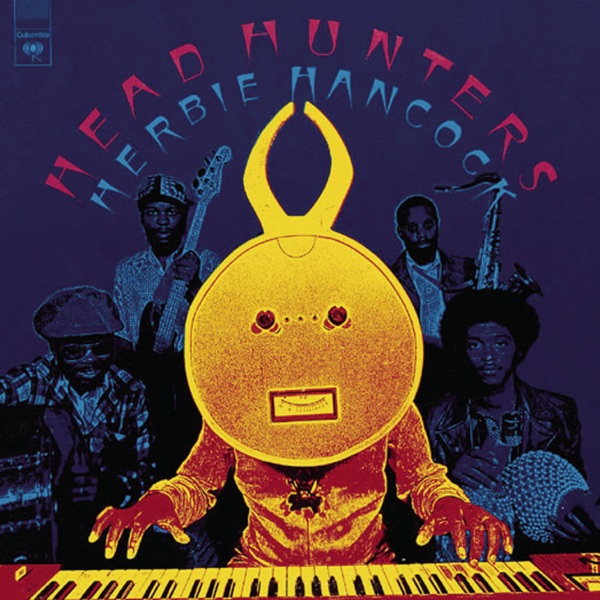
Head Hunters 1973
Herbie Hancock
plays synthesizer here
plays synthesizer here

The Rite of Strings 1995
Stanley Clarke
plays electric bass guitar here
plays electric bass guitar here


