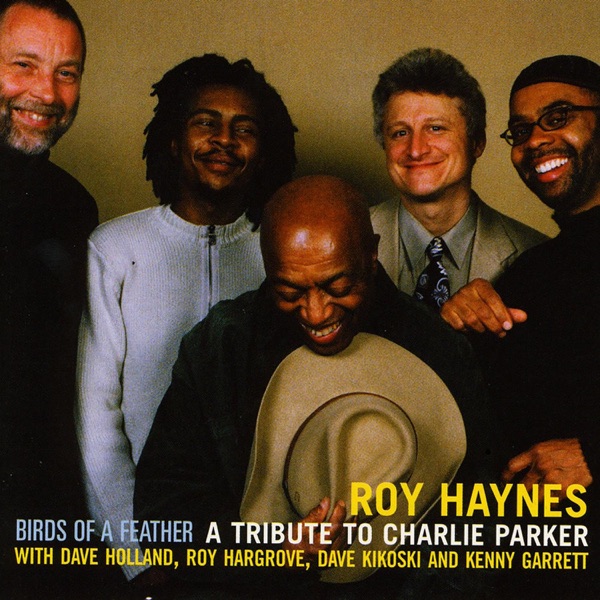
Roy Haynes Drums His Way Through Italy
Haynes drives hard here, keeping time like he's got something to prove, no safety net.
Jazz a confronto 29 catches Roy Haynes in a working moment—this is a sideman date, not a vanity project, and you can hear the difference. Haynes is the engine here, and he's running at full throttle. The drums sit forward in the mix, which is exactly what you want on a record where the focus is rhythm section chemistry. His playing has that quality that made him one of the most reliable and inventive drummers in jazz: he never plays the same thing twice, but he never plays anything that doesn't fit. The touch is light where it needs to be, heavy where it counts. There's no wasted motion, no showboating for its own sake.
This record sits somewhere in the middle of Haynes's career—early enough that he's still proving himself, late enough that he knows exactly what he's doing. He'd recorded with plenty of leaders by this point, so the question wasn't whether he could play, but what kind of sound he'd help create in this particular room with these particular musicians. The answer is a record that swings without strain, that sounds alive without sounding undisciplined. Haynes locks in tight with the bass player, creating the kind of foundation that lets horns breathe and soloists find their footing. He's not the focus here, and he doesn't need to be.
For collectors and deep listeners, this is solid work from a drummer who would go on to record extensively as a leader and sideman alike. It's not his signature statement—you probably don't start your Haynes exploration here. But if you're already familiar with his playing and want to hear how he sounded in this particular context, working inside someone else's concept, it's worth your time. The drumming justifies the listen.