1959 · Album
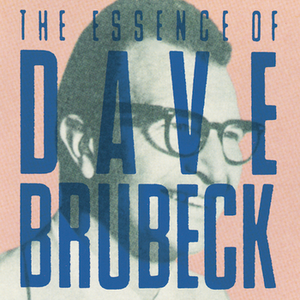
I Like Jazz: The Essence Of Dave Brubeck
Recorded 1953–1958 · Columbia · Produced by George Avakian
Time Signatures and Four-Four Grooves
Brubeck's piano drives every conversation, asking questions the rhythm section answers with precision.
Dave Brubeck was already famous when this collection came together, but I Like Jazz: The Essence Of Dave Brubeck works as a kind of statement anyway—a reminder that he wasn't just the guy who wrote "Take Five." The album gathers pieces that show what he actually spent his time doing: exploring harmony, pushing against standard song structures, and playing piano with the kind of melodic clarity that made him readable to people who didn't care about jazz credentials. This is a best-of from an artist still very much in his prime, selecting tracks that showed his audience what he thought mattered about his own work.
What strikes you first is how much the piano leads. Brubeck doesn't sit back and comp—he drives every track, stating themes, solving problems, asking questions in real time. The rhythm section locks in tight, giving him permission to twist melodies around the beat rather than surrender to it. This is where his classical training shows without becoming mannered or precious. The songs themselves are the kind that stick in your head not because they're simple but because they're honest, built on chord changes that reveal themselves gradually instead of announcing themselves.
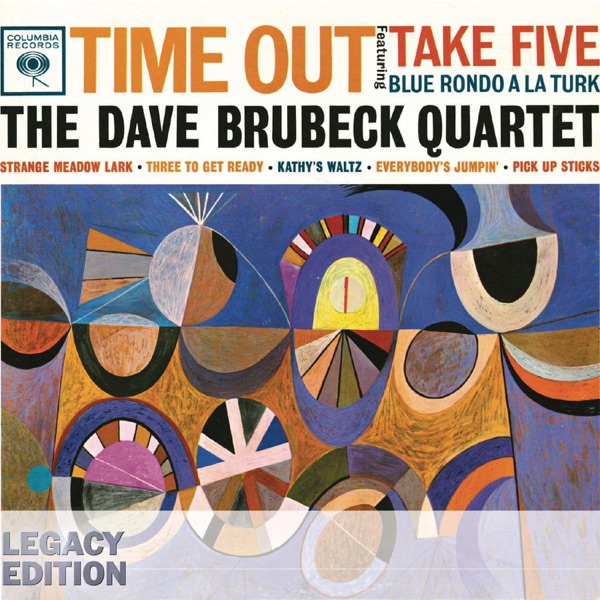
If you're new to Brubeck, start with Time Out (1959) first—it's the album that changed his trajectory and reached people far beyond the jazz audience. But this collection proves he was never a one-album artist. What you get here is the working band playing at full confidence, the pieces that convinced different kinds of listeners that this music was worth their attention.