1951 · Album
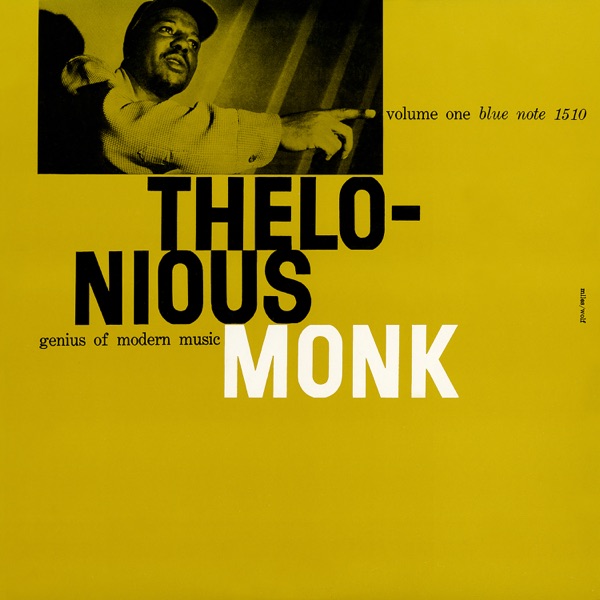
Genius Of Modern Music Vol.1
Recorded 1947 · Blue Note Records · Produced by Alfred Lion

Monk's Angular Vision Takes Shape
These sessions capture Monk inventing a language nobody else was speaking, piano and all.
When you first hear Genius of Modern Music Vol. 1 (1947), you might wonder what the fuss is about. Monk's piano sounds wrong—angles where you expect curves, silence where you expect notes, dissonance that doesn't resolve the way it should. That's exactly the point. These early Blue Note sessions show a composer and pianist who wasn't interested in playing jazz the way everyone else was doing it. His touch is percussive and deliberate. His melodies twist in unexpected directions. Listen to how he spaces things out, like he's leaving room for you to hear what's missing.
What makes this collection special is that it captures Monk early in his career, before he became famous, before people knew how to listen to him. These aren't polished performances—they're working blueprints. You hear him figuring out his approach to harmony and rhythm in real time. The tunes have stayed with him through his whole life, and hearing the originals is like seeing sketches before the final paintings. Some of these recordings are rough, sure, but that roughness is part of their honesty. This isn't Monk the celebrated eccentric; it's Monk the serious composer proving something to himself.
If you're new to Monk, this might not be the easiest place to start—try Round Midnight: The Best of the Blue Note Years (1982) first to get your ears adjusted. But once you're ready, this album is essential. It's where modern jazz piano got strange and stayed that way. Monk wasn't trying to be difficult. He was just playing the music he heard in his head, and his head worked differently than everyone else's.