
Kessel Stretches Out with Jones and Hutcherson
Fascinating music that shows how the mainstream could absorb the era's innovations without abandoning swing.
In 1969, Barney Kessel gathered Elvin Jones, Bobby Hutcherson, and Chuck Domanico in the studio to make Feeling Free (1969), a record that caught the guitarist thinking openly about what the avant-garde was doing without abandoning the language he'd spoken his whole career. Jones, the drummer closest to free jazz among the group, brought restless energy without pushing anyone toward abstraction. Hutcherson's vibraphone and Domanico's bass gave the session harmonic flexibility, enough space for Kessel's guitar to roam while still anchoring everything to song form.
The album sits between worlds—not quite avant-garde, not comfortable in straight bebop either. These were players who understood swing as a foundation, not a limitation. They borrowed from the innovations around them: open structures, free sections, less predictable chord changes. But they never lost the thread. AllMusic reviewer Scott Yanow caught it exactly: they were stretching the jazz mainstream as a logical move, not abandoning it for something unrecognizable.
The record marks Kessel at a crossroads. After this, he would spend years in Europe, stepping back from the American jazz scene. Feeling Free (1969) was his Contemporary Records farewell, a brief return to the label before that extended absence. For listeners curious about how a working guitarist navigated the late 1960s ferment—taking what mattered from free jazz without losing his footing—this is direct evidence of that thinking, caught live in the session.
Who's playing
Where next?
More by Barney Kessel

Barney Kessel, Volume 3: "To Swing or Not to Swing" 1955

Barney Kessel, Volume 1: Easy Like 1956

Some Like It Hot 1959
♫
Modern Jazz Performances From Bizet's Carmen 1959
The musicians on this record

San Francisco 1971
Bobby Hutcherson
plays vibraphone here
plays vibraphone here
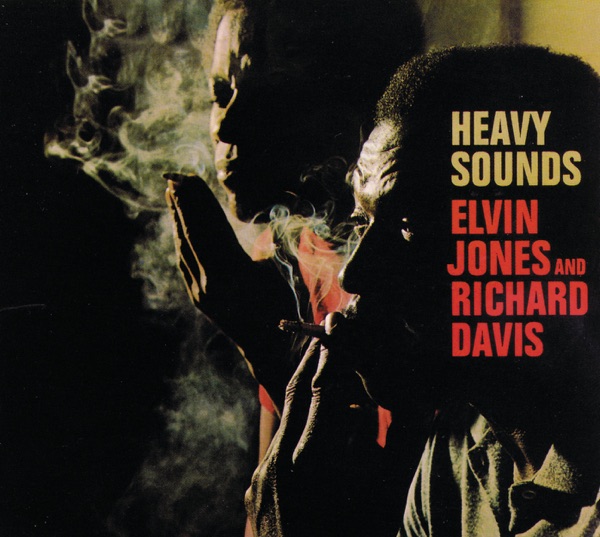
Heavy Sounds 1968
Elvin Jones
plays drums (drum set) here
plays drums (drum set) here


