
Byrd Catches Fire in the Fusion Moment
Byrd absorbed the innovations of Bitches Brew and came up with one of his most consistent fusion sets.
By 1970, Donald Byrd was at a crossroads. He'd built his reputation on hard bop—solid, swinging, grounded in bebop language—but the jazz world was shifting. Miles Davis had already blown the doors off with Bitches Brew (1970), and younger players were chasing electricity and funk. Byrd could have dug in his heels. Instead, Electric Byrd (1970) shows him leaning into the moment without abandoning what made him work in the first place. This is Byrd the adaptor, the player smart enough to recognize which way the wind was blowing and curious enough to follow it.
What makes this record stand out from his earlier work is the sheer consistency. These aren't experiments that half-work or fusion detours that feel forced. Byrd keeps the accessibility and funk DNA of what was coming but doesn't sacrifice jazz improvisation—there's real playing here, real conversation between musicians, not just groove vehicles. The balance feels earned, like he's genuinely worked out how to speak both languages at once. AllMusic reviewer Steve Huey heard it plainly: this is the best of Byrd's transitional sessions between 1969 and 1971, absorbing the structural lessons of Davis's innovations while staying true to his own voice.
For listeners, this is the place to hear Byrd in motion—not early-career Byrd, not late-career Byrd, but Byrd at the exact moment he decided to expand his range. It's not a reinvention because he doesn't shed his fundamentals. It's a smart musician recognizing that fusion didn't have to mean abandoning jazz muscle, and proving it on record.
Who's playing
Ron Carterbass
Duke Pearsonelectric piano
Wally Richardsonguitar
Pepper Adamsbaritone saxophone, clarinet
Jerry Dodgionalto saxophone, flute, soprano saxophone
Frank Fosteralto clarinet, tenor saxophone
Lew Tabackinflute, tenor saxophone
Donald Byrdtrumpet
Bill Campbelltrombone
Hermeto Pascoalflute
Mickey Rokerdrums
Airto Moreirapercussion
Where next?
More by Donald Byrd
All 13 albums →


The musicians on this record
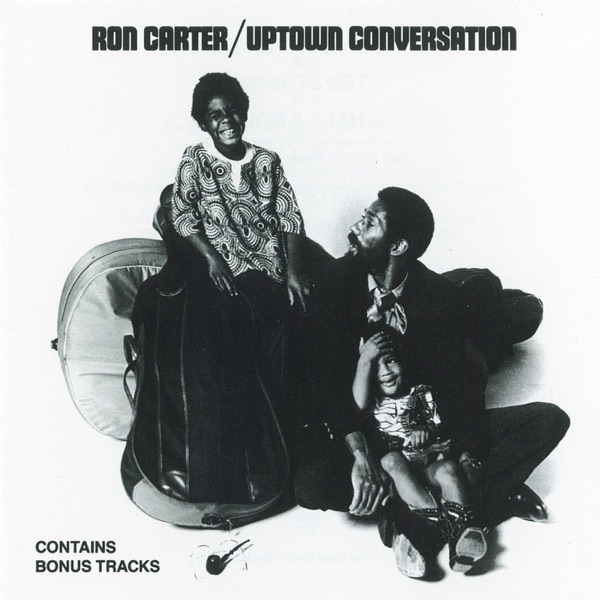
Uptown Conversation 1969
Ron Carter
plays bass here
plays bass here

The Phantom 1968
Duke Pearson
plays electric piano here
plays electric piano here
♫
Natural Feelings 1970
Airto Moreira
plays percussion here
plays percussion here


