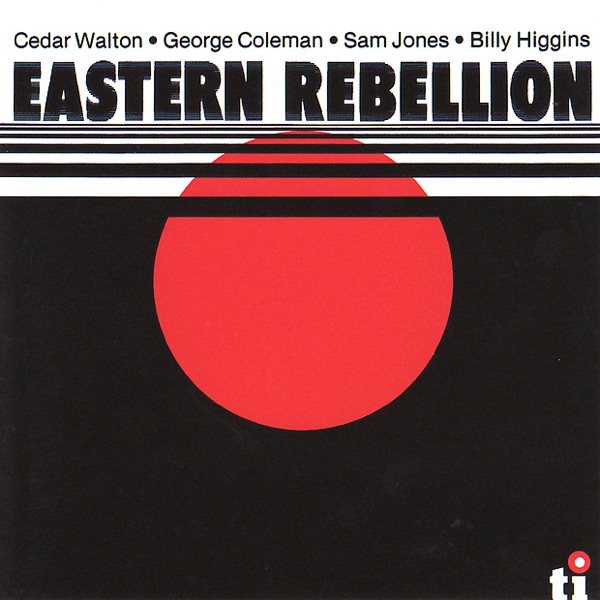
Cedar Walton's Steady Hand in Late 1979
A straightforward hard bop session where Walton's piano anchors everything with clear purpose and swing.
The first thing you notice is how centered this record feels. Cedar Walton's piano sits right in the middle of the sound, comping with intention and soloing with a direct, uncluttered touch. The tempo locks in — nothing rushed, nothing draggy — and the whole band settles into that pocket where hard bop lives best. There's no flash here, no one trying to prove anything. Just solid musicians playing heads, trading solos, and letting the songs breathe.
By late 1979, Walton had been through enough jazz to know what worked. Eastern Rebellion 3 is his third outing with this group, and it shows in how efficiently the ensemble moves. The piano-led approach means Walton's comping and soloing drive the session's shape. His touch is warm but unsentimental — he swings without strain and doesn't overplay when the moment calls for restraint. The horns move in and out cleanly, and the rhythm section holds the floor steady.
This isn't a milestone record or a turning point. It's a working session from a musician doing his job at a high level — exactly the kind of record that circulated among serious listeners on the Timeless label without needing to justify itself to anyone. If you want Walton in his element, playing the kind of straightforward, swinging hard bop that defined his career, this delivers it.
Who's playing
Where next?
More by Cedar Walton
All 42 albums →
The musicians on this record
Their own records, close in time


