Strayhorn's Vision, Hodges at the Core
Billy Strayhorn arranged every note, but Johnny Hodges made them sing.
In 1956, Johnny Hodges stepped into the studio with members of the Duke Ellington Orchestra to record what would become Duke's in Bed (1959). The session itself was a study in focused craftsmanship. Every arrangement came from Billy Strayhorn, who understood exactly what kind of space Hodges needed — which is to say, Strayhorn knew when to give him room and when to frame him with orchestral color. The decision to have Strayhorn handle all the arrangements meant consistency of voice throughout the record, a unified vision rather than a patchwork of different hands.
What you hear is Hodges doing what made him invaluable to Ellington: playing ballads and mid-tempo pieces with a warmth that sounds completely unhurried, even when the harmony underneath is moving. His alto saxophone has this particular quality on these tracks — not desperate or show-offy, just present and generous with the melody. Strayhorn's arrangements sit behind him without cluttering, which is harder to pull off than it sounds. The record isn't flashy. It's the sound of two major musicians agreeing on what matters: space, tone, and listening to each other.
This isn't Hodges breaking new ground or surprising himself. It's a solid session with good bones, released on Verve a few years after the recording. For most listeners, you'd want to start elsewhere — Ellington Indigos (1954) or his work within the Duke's orchestra shows more range. But if you already know Hodges and want to hear him in a setting where Strayhorn's arrangements give him a particular kind of spotlight, this one delivers.
Who's playing
Jimmy Woodedouble bass
Billy Strayhornpiano
Harry Carneybaritone saxophone
Johnny Hodgesalto saxophone
Clark Terrytrumpet
Quentin Jacksontrombone
Sam Woodyarddrums
Where next?
More by Johnny Hodges
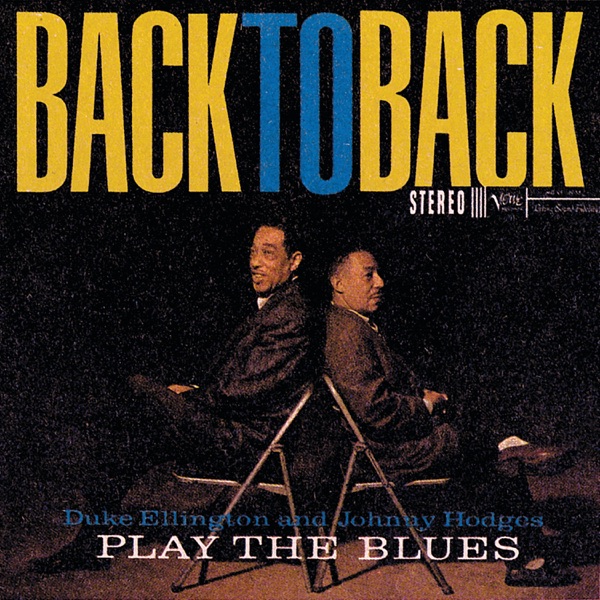
Back to Back: Duke Ellington and Johnny Hodges Play the Blues 1959

3 Shades of Blue 1970

Everybody Knows 1964

Stride Right 1966
The musicians on this record
Their own records, close in time