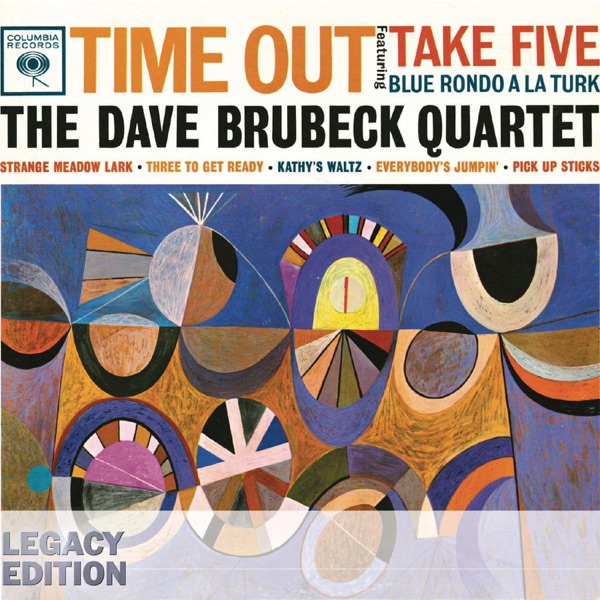
Time Out of Time: Brubeck's Accessible Masterpiece
Brubeck made complex jazz sound natural, even inevitable, without dumbing it down.
Dave Brubeck had already established himself as a serious pianist and composer before Columbia Jazz Profile arrived, but this album represents him at a point where he'd figured out how to make intricate ideas feel effortless. The record isn't a departure so much as a clarification—everything Brubeck had been working toward suddenly clicks into place. The writing is sharp, the playing is confident, and nothing feels forced or overly intellectual, which is the real trick when you're working in odd time signatures and complex harmonies.
What makes this recording distinctive is how conversational it feels. Brubeck's quartet doesn't sound like it's performing a concert; it sounds like musicians who genuinely enjoy playing together and have something to say. The piano work is lyrical without being sentimental, and there's real space in the arrangements—moments where you can hear each player thinking. The rhythm section locks in with that particular kind of precision that comes from deep familiarity, and the soloists don't feel pressured to overplay. This is the album to start with if you're curious about Brubeck, rather than approaching him through his more famous work. It shows who he actually is: a composer first, a virtuoso second, and someone genuinely interested in making jazz that intelligent people enjoy without it feeling like work.
The record found an audience because it offered something genuinely appealing—sophisticated music that didn't require a PhD in music theory to appreciate. That accessibility didn't diminish the music's substance; if anything, it proved that complexity and pleasure don't have to be enemies. Brubeck would continue recording, but this album captures a moment when all his instincts were working in perfect harmony.