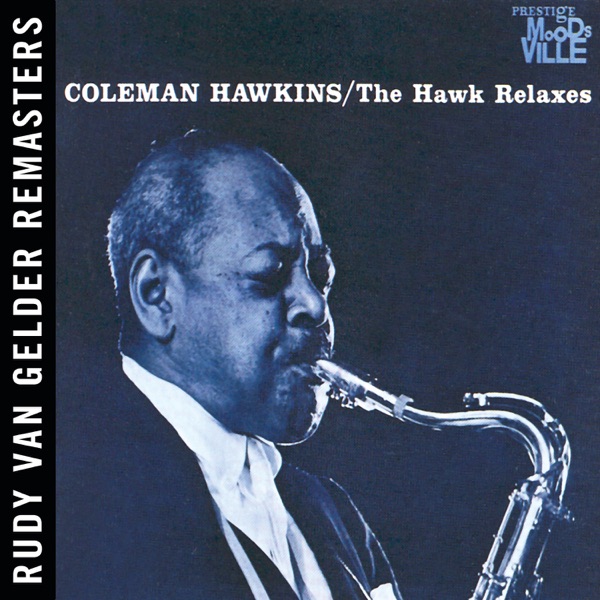
A Saxophonist Across Seventeen Years
Hawkins recorded the same tune twice, and the distance between them tells you everything.
Body and Soul collects Coleman Hawkins across a long stretch of his career — recordings made between 1939 and 1956. The album's organizing principle is simple but powerful: it takes its name from one of Hawkins' most famous performances, a 1939 recording of "Body and Soul" that remains the anchor. Then the album circles back to that same piece in 1956, letting you hear what seventeen years had done to the man and his horn.
This is not a cohesive session album in the traditional sense. Instead it's a portrait built from fragments — a single performance recorded at different moments, surrounded by other material from the same era. The genius of the collection is that it forces you to listen across time. That 1939 "Body and Soul" is the thing Hawkins became famous for: a tenor solo that swings hard with a thick, commanding tone, the kind of playing that made him the saxophonist everyone else had to reckon with. The 1956 version shows you a musician still vital but thinking differently, his approach refined by decades of work and changing fashions in the music.
If you're new to Hawkins, this album works as an entry point because it gives you his signature moment and lets you sit with it. If you know his work already, the collection functions differently — as a chance to trace how a master saxophonist evolved across the decades without losing his core identity. The recordings span enough time that you hear the changes in recording technology, in what surrounded him in the studio, in what he valued in a solo. Start here if you want to understand why Hawkins mattered, or come back to it later to measure how far he traveled.