Speed and Space: Di Meola's Third Statement
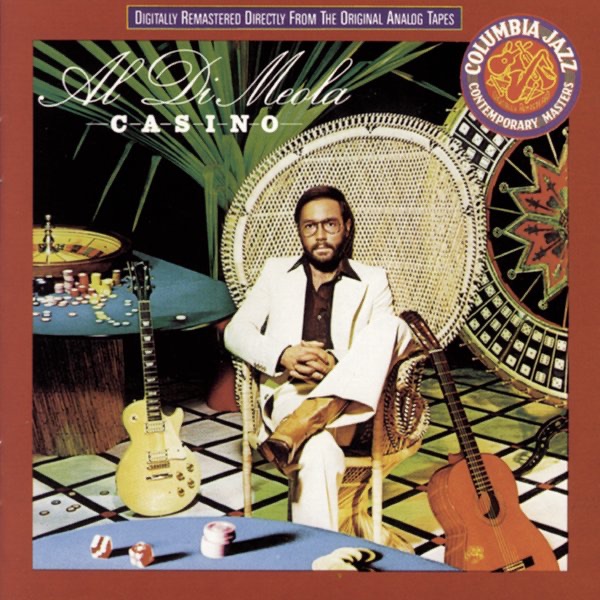
Casino finds Di Meola pushing his technique into new territory, less fusion showboat and more bandleader with vision.
Casino arrives as straight-ahead energy—no wasted introduction, no synth wash. The guitar lines are fast and clean, picking at speeds that make you listen twice to confirm what you just heard. There's room in these tracks, though. Di Meola isn't drowning you in notes for the sake of it. The rhythm section leaves space, and the overall mood is focused, almost austere by fusion standards of the time. It's a working band sound, not a showcase.
This is Di Meola's third album, and it marks a turn. He's moved past pure technical display into something with more shape and intention. The songs breathe. Where earlier records sometimes felt like he was racing to prove something, Casino settles into a groove that's genuinely interesting to follow for the length of a record. The band sounds tight and deliberate, making choices about arrangement and pacing rather than just letting the guitar soar and hoping the rest follows.
The album sits a bit apart from what surrounded it. Not every cut lands with equal force, but the record coheres—there's a clear sound here, a direction. If you're coming to Di Meola for the first time, you might start elsewhere, but Casino rewards attention from anyone curious about where he was headed after his early commercial push.
Who's playing
Anthony Jacksonbass
Barry Mileselectric piano, Minimoog, organ, piano
Al Di Meolaelectric guitar
Steve Gadddrums
Eddie Colonpercussion, timbales