
Two Heavyweights, One Loose Afternoon
Hawkins and Grimes together make this feel less like a session and more like a hang.
Here is the situation: Tiny Grimes, the guitarist who came up playing with Art Tatum and helped shape the early R&B guitar sound, is leading a session for Prestige in 1958. He brings in Coleman Hawkins, the man who essentially invented the tenor saxophone as a jazz instrument, and what they make together is Blues Groove (1958) — a relaxed, bluesy record that does exactly what the title promises and does not pretend to be anything more. Later, Prestige reissued the album under Hawkins' name, which tells you something about how the market saw things, but the original session belongs to Grimes.
The music here sits somewhere between straight blues and mainstream swing. Grimes' guitar has that warm, slightly thick tone he favored — nothing flashy, just solid rhythm and clean single-note lines. Hawkins, by this point in his career, had nothing left to prove, and you can hear that comfort in his playing. He is not pushing boundaries or chasing bebop. He is blowing over blues changes with the authority of someone who invented the vocabulary everyone else is still borrowing from. The interplay between guitar and tenor is easy and conversational, like two people who already know each other's stories but still enjoy the telling.
This is not an album you pull out to impress someone. It is an album you put on when you want something that swings without demanding attention. It is a solid, unpretentious record from two musicians who were deep into their careers and clearly comfortable just playing. If you already love Hawkins, this gives you another angle on him — looser, bluesier, less formal than some of his better-known dates. That alone makes it worth your time.
Who's playing
Earl Wormackdouble bass
Ray Bryantpiano
Tiny Grimesguitar
Coleman Hawkinstenor saxophone
Musa Kaleemflute
Teagle Flemingdrums
Where next?
More by Coleman Hawkins

Duke Ellington Meets Coleman Hawkins 1963
♫
The Hawk Flies High 1957

Coleman Hawkins and Confrères
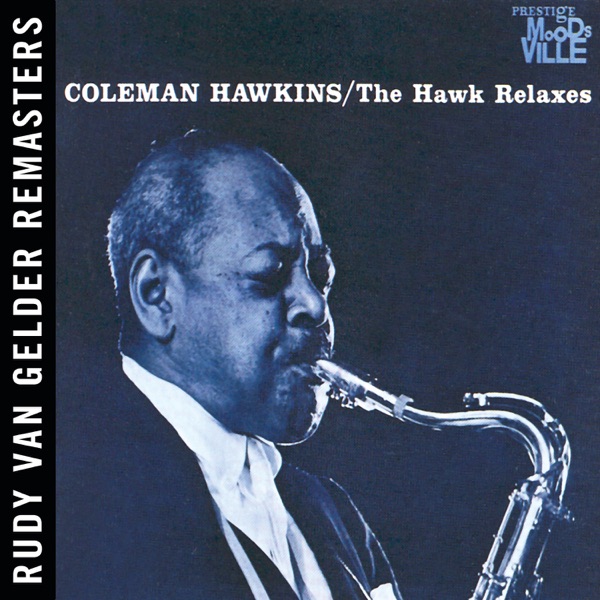
The Hawk Relaxes 1961
The musicians on this record
Their own records, close in time



