
Fingers Moving Faster Than Time
Tatum alone at the keyboard, playing like ten pianists at once, remaking every song he touches.
Art Tatum Solos captures something almost unreal: one man at a piano, playing with a speed and harmonic density that makes you wonder if the recording is actually sped up. It isn't. These are unaccompanied solo performances, just Tatum and the instrument, and the physical fact of what he's doing is the whole point. His left hand moves through walking bass lines while his right hand spins out melodies and countermelodies, filling every available space with notes that land with absolute precision. You hear him reharmonizing familiar standards — the changes bend and twist under his hands in ways that shouldn't work but do.
What makes these solos essential is how they sound like a full band compressed into two hands. Tatum wasn't just playing faster or more technically impressive than his peers; he was inventing a new language for what a jazz piano could be. He uses bitonality and unexpected voicings to create tension and surprise, pushing far beyond the stride piano style that influenced him early on. The vocabulary he's building here is unmistakably his own, and you can hear why musicians of his time simply stopped and listened when Tatum played.
This record is foundational. If you want to understand how Tatum extended jazz piano's boundaries, this is where to start — not because it's his easiest or most approachable work, but because it's unfiltered. Solo piano strips away everything except what he can actually do, and what he can do is remarkable. These are the solos that convinced every serious jazz pianist who came after him that the instrument demanded rethinking.
Where next?
More by Art Tatum
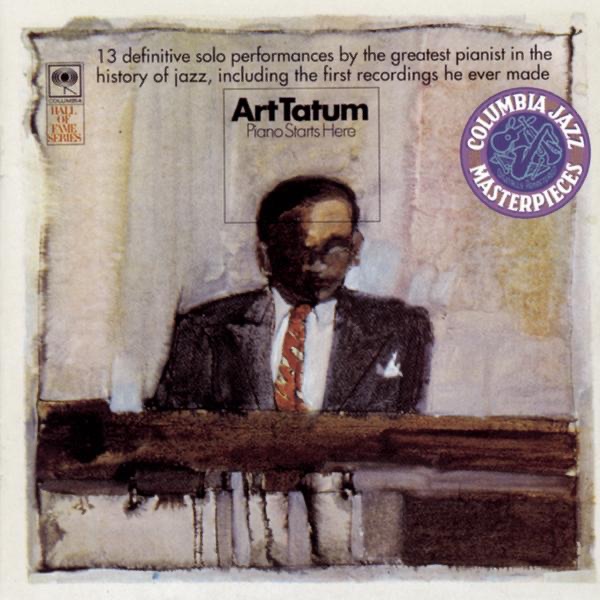
Piano Starts Here 1949
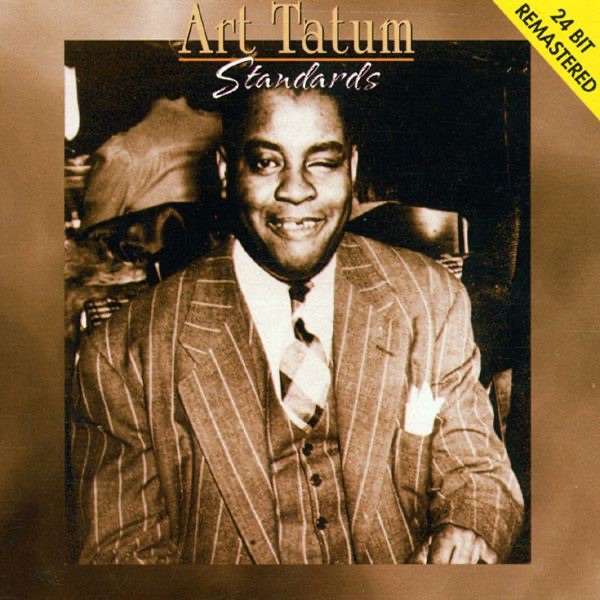
Standards 1953

Classic Early Solos (1934-1937) 1934
The Complete Pablo Solo Masterpieces 1958
More Early Jazz

Turn On the Heat: The Fats Waller Piano Solos 1945
Fats Waller

“The Complete Town Hall Concert” 17 May 1947 1947
Louis Armstrong
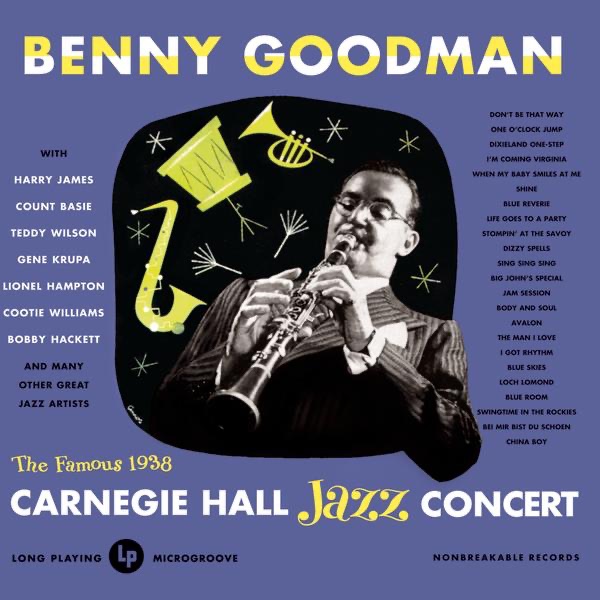
The Famous 1938 Carnegie Hall Jazz Concert Vol.3 1938
Benny Goodman

8 to the Bar (Two Piano Boogie Woogie for Dancing) 1941
Albert Ammons