Art Blakey's Messengers Return to Form
Walton's electric keyboards aside, this session captures the timeless swing of the earlier Messengers sound.
Anthenagin finds Art Blakey and The Jazz Messengers in 1973, a period when the drummer was navigating the shifting currents of contemporary jazz. The band had weathered the 1960s and early 1970s with the same restless energy that defined its founding, always rotating personnel while maintaining a core identity. This particular session leans backward rather than forward, deliberately mining the sound of Blakey's earlier, harder-swinging lineups.
The critical reception picked up on exactly what the record was doing. AllMusic awarded it 4½ stars, noting that despite the occasional presence of electric keyboards courtesy of one member, the date returns to the feel of the earlier Jazz Messengers recordings. This was a deliberate move, not a default. Blakey had never lost interest in straight-ahead hard bop—the sound that made the Messengers essential in the late 1950s and early 1960s—but by 1973 that style had become unfashionable in some quarters. Recording this way was a quiet statement of conviction.
For listeners, Anthenagin works best as a mid-career checkpoint rather than an entry point. If you want to hear Blakey at his most influential and inventive, start with Moanin' (1958). This album instead shows a veteran drummer comfortable enough with his own identity to resist trends without sounding defensive about it. The propulsive drumming, the straightforward blowing, the absence of pretense—these are reliable pleasures, and they remain so here.
Who's playing
Mickey Bassbass
Cedar Waltonpiano
Michael Howellguitar
Carter Jeffersontenor saxophone
Woody Shawtrumpet
Steve Turretrombone
Art Blakeydrums
Tony Waterscongas
Where next?
More by Woody Shaw
All 36 albums →

The musicians on this record

The Jazz Messengers 1972
Art Blakey
plays drums (drum set) here
plays drums (drum set) here
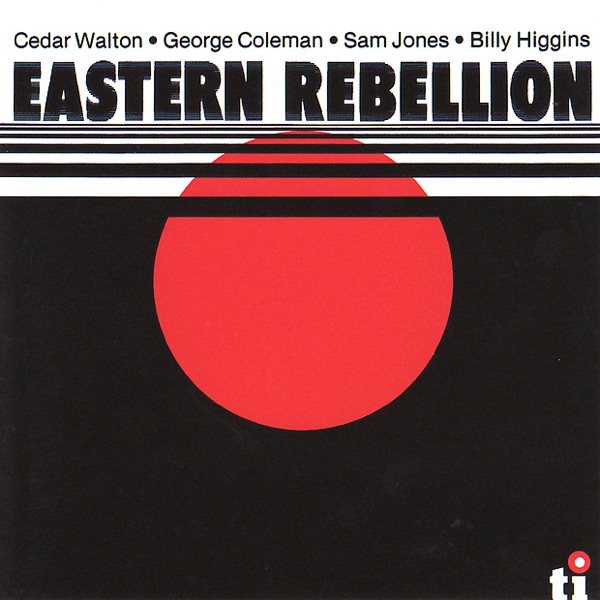
Eastern Rebellion 1975
Cedar Walton
plays piano here
plays piano here