The Voice Above the Horns
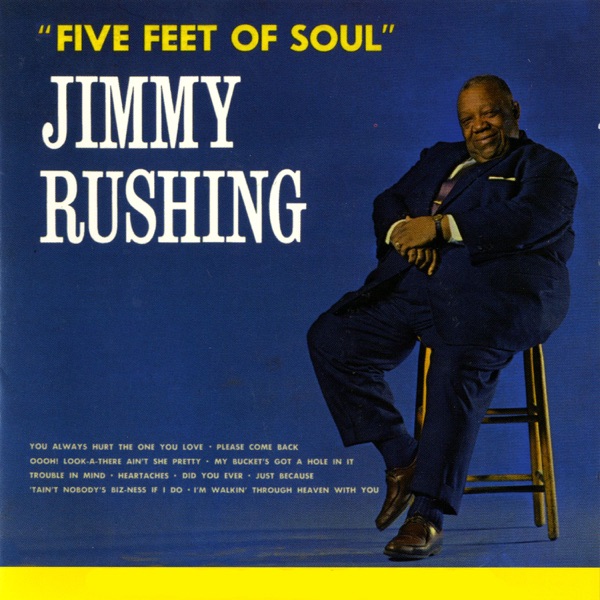
Jimmy Rushing got the nickname 'Mr. Five by Five' because he was built close to the ground and wide — the joke being he was about five feet tall and five feet around. But nobody laughed at the voice. It was a high, clear, almost piercing tenor that could ride over a full big band at full volume without a PA system, which in the 1930s was not a small trick. If you've heard Count Basie records from Kansas City, you've heard Rushing shouting the blues over riffing horns, and that sound basically defined what a band singer could be before amplification made things easier.
He came up through the Kansas City scene, singing with Walter Page's Blue Devils before moving to Bennie Moten's orchestra, and when Moten died it was Rushing and the rest of that band who became the foundation of Count Basie's new outfit. He stayed with Basie from the mid-1930s into the late 1940s, which makes him one of the few voices present for the whole arc of that band's golden run — the Decca years, the war years, the slow grind of keeping a big band solvent when big bands stopped being profitable.
What made him different from a lot of blues shouters is that he wasn't just loud. He phrased like a horn player, sliding behind the beat, worrying a note until it meant something, and he had actual warmth in there too — he could sing a ballad and not just bellow a twelve-bar blues. Listen to him on something like The Jazz Odyssey of James Rushing, Esq. (1958) and you hear a guy who'd spent twenty years learning exactly how much voice a song needed, and giving it precisely that much.
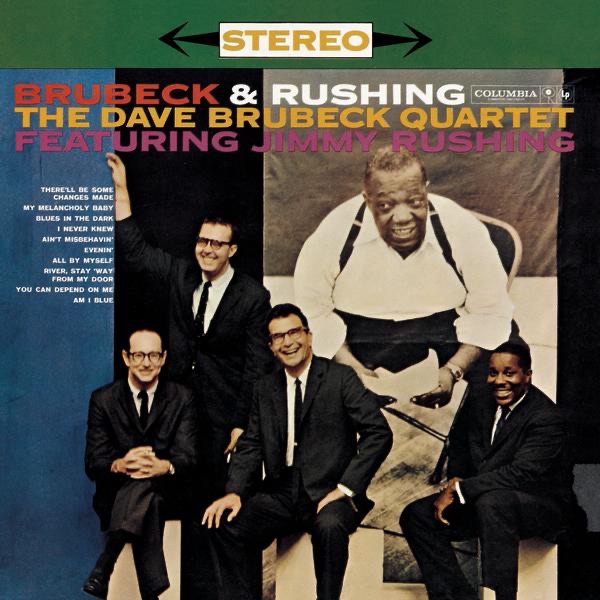
After Basie's band broke up in 1950, Rushing kept working, cutting records under his own name with small groups, touring Europe, showing up on sessions with younger players who clearly thought it was an honor to have him in the room. He never chased trends — there was no bebop Rushing, no cool Rushing — he just kept doing the thing he already did better than almost anyone, which turned out to be enough. By the time he died in 1972 he'd outlasted the era that made him and was still being booked because people wanted to hear that specific sound, the one you can't really teach.