1987 · Album
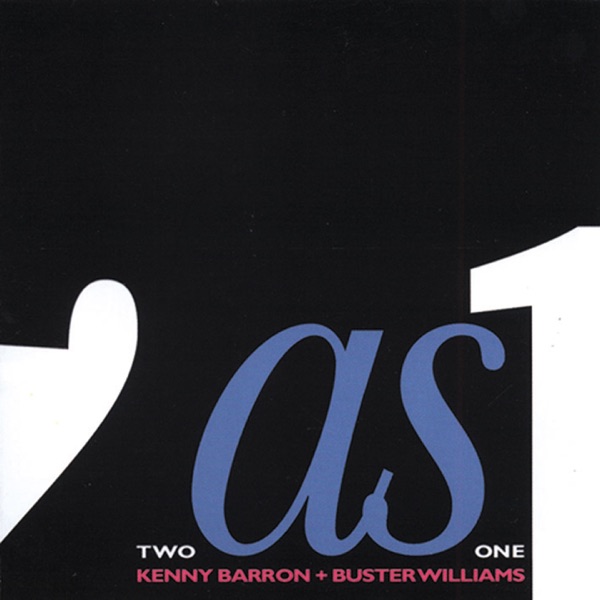
Two As One
Recorded 1986, Teatro Morlacchi, Perugia, Italy (Umbria Jazz Festival) · Red · Format: Live
Two Voices, One Perfect Conversation
Barron and Williams allow one another to stretch out with great effect, a duet clinic in real time.
What makes this recording distinctive is Buster Williams's bass work — not just accompanying, but genuinely conversing. Recorded live at the Teatro Morlacchi during the 1986 Umbria Jazz Festival, Two as One (1986) strips away everything except piano and bass, which means Williams has nowhere to hide and nowhere he needs to. He's not keeping time; he's arguing, questioning, and agreeing with Kenny Barron across a set of lengthy standards. The two musicians had the kind of shorthand you only develop through serious listening, and it shows in how they trade space, how Williams knows exactly when to push and when to lay back.
Barron is a thoughtful player — never flashy, always precise — and Williams matches that intelligence. Listen to how his lines complement rather than duplicate the piano's melody. He's not soloing over changes; he's having an actual musical debate. For a piano-bass duo to work, the bassist has to be more than competent. Williams is essential. The vehicles are familiar territory, which is partly the point: on standards, what matters is not novelty but how deeply you understand the song's bones and how honestly you can play it with another person.
This is the kind of album that works best if you come to it expecting conversation rather than spectacle. It's not trying to dazzle. All About Jazz reviewer C. Michael Bailey noted it includes everything a student of the genre would need to know, and he's right — but only if you're willing to listen closely. Start here if you want to understand what duet playing actually means.
Who's playing
Buster Williamsdouble bass
Kenny Barronpiano
Where next?


The musicians on this record
Their own records, close in time