1999 · Album
The Illinois Concert
Recorded 1959 · Birdland · Produced by Not documented
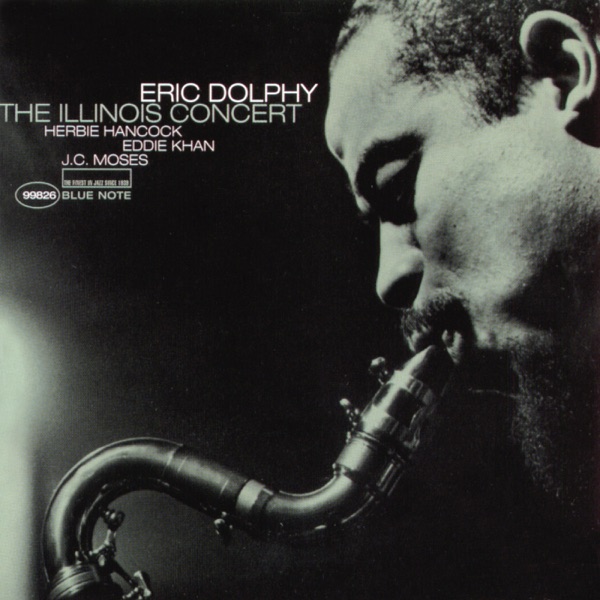
Dolphy Unbound: Live in the Heartland
Dolphy's horn burns with urgency here, pushing past bebop into something wilder and more unpredictable.
The Illinois Concert captures Eric Dolphy at a fascinating moment—restless, experimental, not yet the elder statesman of the avant-garde but already chafing against conventional structures. This is a live recording that sounds like Dolphy was testing the limits of what his saxophone, flute, and bass clarinet could do in real time, with real stakes. The music has an edge to it, a kind of controlled chaos where melody dissolves into texture and back again. You hear him pushing his bandmates, demanding responses, refusing to settle into comfortable grooves.
What makes this different from Dolphy's studio work is the immediacy. There's no safety net, no second takes. The solos stretch longer than you'd expect, and sometimes they drift into territory that feels genuinely uncertain—not uncertain in execution, but in intention. He seems to be discovering the music as he plays it. The rhythm section has to stay alert, shifting and adjusting. This is Dolphy early in his career as a leader, still developing the fearless approach that would define his later work, but the instincts are already there.
If you know Dolphy only from his studio albums, this concert offers something valuable: a glimpse of his live personality, the raw energy underneath the composed statements. It's not as polished as some of his other work, and it's not always comfortable to listen to, but that's exactly the point. This is a musician working through ideas in front of an audience, and you're invited to follow along. It matters if you want to understand how Dolphy developed from a sideman into one of jazz's most uncompromising voices.
Who's playing
Eric Dolphybass clarinet
Eddie Khandouble bass
Herbie Hancockpiano
J.C. Mosesdrums
Cecil BridgewaterFrench horn
Where next?
More by Eric Dolphy
All 12 albums →


The musicians on this record
Their own records, close in time



