1998 · Album
Gershwin's World
Recorded 1998 · Polygram · Produced by Herbie Hancock

Hancock Reimagines the American Songbook
Hancock bends Gershwin through a global lens, mixing jazz tradition with world percussion and contemporary voices.
By 1998, Herbie Hancock had already spent four decades exploring every corner of jazz and beyond. Gershwin's World is not a return to anything — it's a deliberate sideways step into the American songbook, filtered through his restless curiosity about rhythm and collaboration. The album treats Gershwin not as a historical monument but as raw material: "Summertime" gets stretched into something hypnotic with Cyro Baptista's percussion and Wayne Shorter's tenor, while "I Got Rhythm" lands as a vehicular hard-bop groove with Eddie Henderson's trumpet cutting through. Stevie Wonder appears on harmonica, adding an unexpected warmth that keeps things from feeling scholarly.
What makes this album distinct is its percussion architecture. Rather than letting horns dominate, Hancock builds tracks around layered drums, talking drums, djembes — Terri Lyne Carrington on drums anchors the sessions while Cheick M'Baye, Madou Dembelle, and Massamba Diop add textures that feel African and jazz-rooted simultaneously. It's not world music tourism; it's Hancock treating rhythm as equal partner to melody. James Carter and Kenny Garrett trade solos with intelligence, Marlon Graves' guitar adds color without clutter, and the bass work from Ira Coleman and Alex Al holds everything together.
This isn't Hancock's strongest album or his most essential, but it moves with purpose. Tom Hull gave it 3.5/4, capturing the sense that while not every track lands equally, the whole project shows an artist still willing to ask questions about form and texture instead of resting on his catalog.
Who's playing
Ira Colemanbass
Alex Albass
Herbie Hancockpiano
Marlon Gravesguitar
James Cartertenor saxophone
Kenny Garrettalto saxophone
Wayne Shortertenor saxophone
Eddie Hendersontrumpet
Terri Lyne Carringtondrums
Cyro Baptistapercussion
Breyma Guiyepercussion
Cheick M'Bayepercussion
Madou Dembelledjembe
Massamba Dioptalking drum
Stevie Wonderharmonica
Where next?
More by Herbie Hancock
All 26 albums →
The musicians on this record
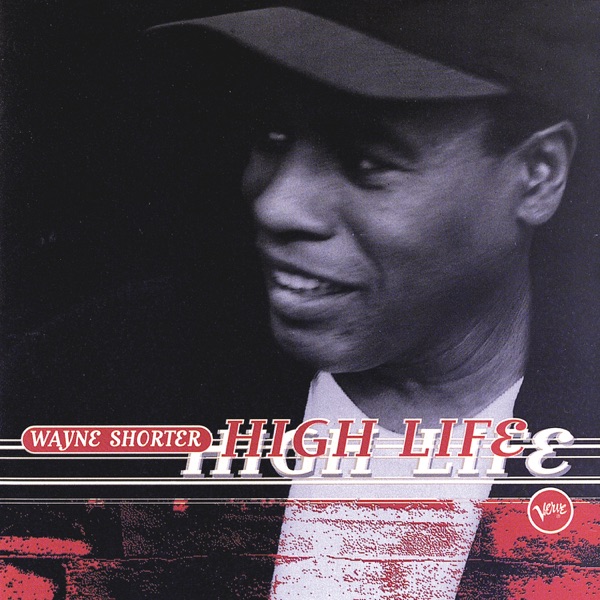
High Life 1995
Wayne Shorter
plays tenor saxophone here
plays tenor saxophone here
♫
Inspiration 1995
Eddie Henderson
plays trumpet here
plays trumpet here



