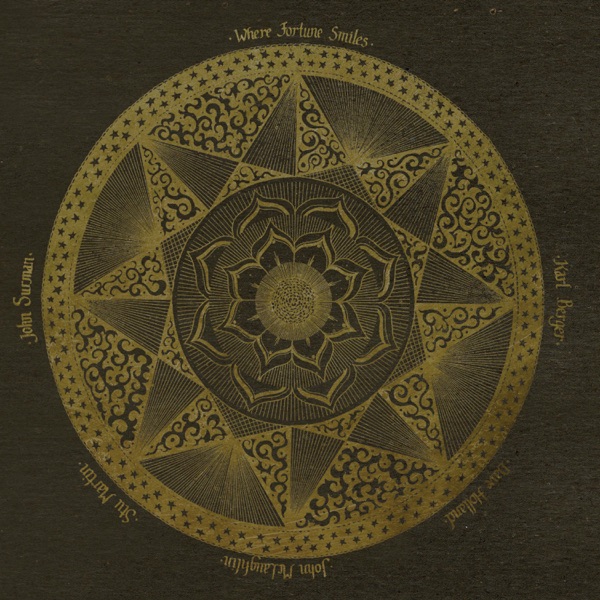
2000 · Album
The Heart of Things: Live in Paris
Recorded Live performance, 2000 · PolyGram · Chart Peak: No. 25, Billboard Top Jazz Albums
Electricity and Restraint in a Paris Night
McLaughlin's guitar burns and cools by turns, never settling into comfort.
The Heart of Things captures McLaughlin live in front of an audience, and the difference shows. There's an urgency here that studio sessions don't always demand. His guitar lines cut through the air with real snap—he's not playing to tape, he's playing to people in a room, and you hear him adjusting, pushing, testing what the moment will allow. The sound is clean and immediate, recorded well enough that you catch the small details: the scrape of his fingers on the strings, the percussive attack before the sustain. This isn't a young man's album—McLaughlin had already moved through many incarnations by this point—but it carries none of the weight of retrospection. Instead it feels like someone still hungry, still curious about what his instrument can do.
The music itself balances two impulses that sometimes pull against each other in his work: the desire to dazzle with technique and the desire to actually say something. On a live stage, with people watching, there's nowhere to hide. He can't lean on studio trickery or overdubs. What emerges is a guitarist who knows his own powers well enough not to prove them every five seconds. The pacing breathes. Quiet passages sit beside explosive ones without apology. You get a sense of dialogue—with whoever is playing alongside him, and with the audience itself. The Penguin Guide to Jazz Recordings gave it a perfect four stars, which speaks to how completely this set works on its own terms.
This arrived at a moment when McLaughlin was well past any need to establish himself, and that freedom shapes the whole affair. There's nothing to prove and no formula to follow, just a musician working through whatever had grabbed his attention that night. The album climbed to number 25 on Billboard's jazz chart, respectable for a live release in that era, but the real measure isn't the chart position. It's the quality of attention you have to give it—the way a single guitar note can hold a room.