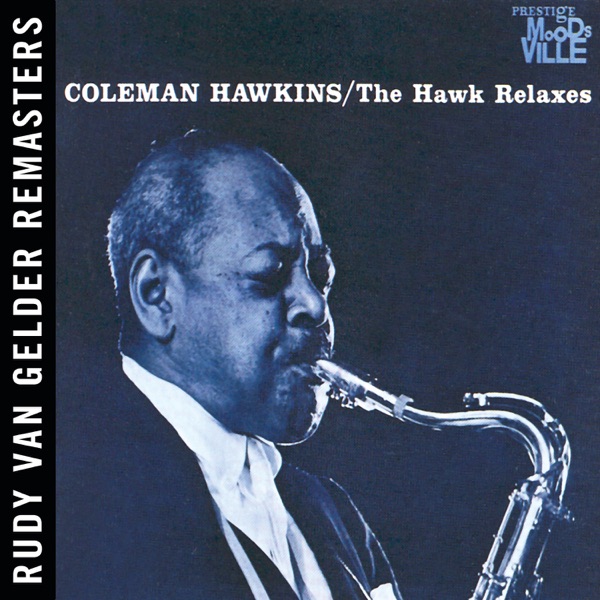
1958 · Album
The Gilded Hawk
Recorded Late 1956 and early 1957 · Capitol · Arranger and Conductor: Glenn Osser

When Hawkins Met the Orchestra
Hawkins with a full orchestra was a choice that paid off—his tone cuts through everything.
By the mid-1950s, Coleman Hawkins had already done everything a saxophonist could do, and he'd done most of it better than anyone else. The Gilded Hawk finds him in an unusual setting: fronting a full orchestra arranged and conducted by Glenn Osser. This isn't the small-group context where Hawkins made his name. It's orchestral, lush, and in some ways closer to what a big-band player might tackle. Recorded in late 1956 and early 1957, the album is a straightforward proposition—Hawkins as soloist, Osser's arrangements as backdrop.
The real story here is that Hawkins' tone wins. His tenor saxophone, that thick and woody sound he'd been perfecting for decades, doesn't get lost in the orchestration. If anything, the strings and brass around him make his voice stand out more clearly. The arrangements are competent and classy, the kind of sophisticated pop-jazz that was acceptable to mainstream audiences at the time. This is not experimental music. It's a saxophonist you already know in a dressier suit than usual.
Where does this sit in Hawkins' catalog? It's peripheral, honestly. Not essential, but not throwaway either. If you've never heard Hawkins, start with his small-group recordings from the 1940s—those show what actually made him legendary. The Gilded Hawk is for people who already love the man and want to hear how he handled a different kind of setting. It's solid. It works. Just don't mistake it for where the real Hawkins lives.
Who's playing
Coleman Hawkinstenor saxophone