1995 · Album
Tales
PRA/Dreyfus Records · Released: May 23, 1995 · Album Position: Fourth studio album
Tales from the Studio: Miller's Fourth Statement
By 1995, Miller had refined his vision into something sleek and assured, though not everyone was listening.
When Marcus Miller entered the studio to record Tales, he was working from a position of solid footing. His voice as a bassist-bandleader had clarified over the course of several albums, and this fourth record showed the confidence of someone who knew exactly what sound he wanted to capture. The sessions that produced Tales resulted in a collection built on the strengths Miller had spent years developing—his ability to blend funk-derived grooves with jazz harmonic thinking, his instinct for arranging, and his facility with production.
The album came together in early 1995 and hit shelves in May of that year. What ended up on tape reflects Miller's particular alchemy: he wasn't chasing trends, but he wasn't operating in isolation either. The music sits comfortably in the space between straight-ahead jazz and the contemporary R&B-influenced world that had begun to reshape how many younger musicians thought about groove and timbre. The Penguin Guide to Jazz gave it 2.5 stars, which is to say the critical establishment found it pleasant enough but not essential—a reaction that tells you something about how Miller's work landed in certain quarters, where sophistication and commercial smarts were sometimes read as opposing forces.
Tales occupies an interesting middle ground in Miller's catalog. It's not a breakthrough moment, but it shows a player comfortable with his own idiom, willing to swing hard when the music calls for it, and smart enough to know when to pull back. The album had enough presence that Miller took it on the road across North America, testing these pieces in front of live audiences. For listeners drawn to Miller's approach—and there were plenty—Tales delivered what he promised.
Who's playing
Marcus Millerbass guitar, sampler, Wurlitzer electric piano
Hiram Bullockguitar, solo
Kenny Garrettalto saxophone
Joshua Redmansolo, tenor saxophone
Michael “Patches” Stewarttrumpet
Bernard Wrightorgan, synthesizer
Meshell Ndegeocellosolo, synthesizer
Charles "Poogie" Belldrums
Lenny Whiteadditional, drums
Where next?


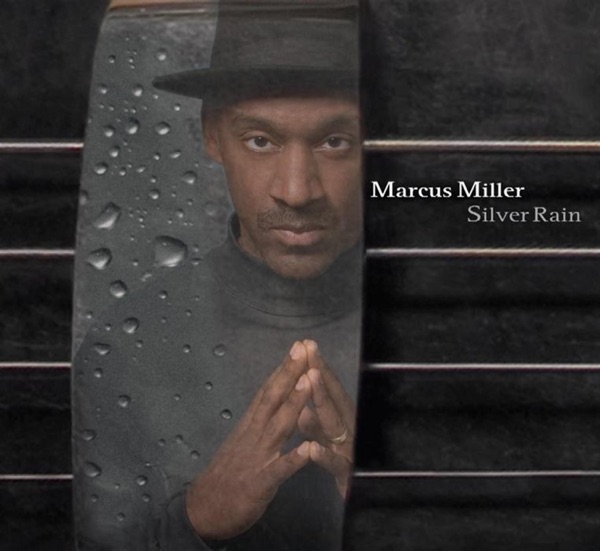

The musicians on this record
where are we 1993
Joshua Redman
plays solo here
plays solo here
♫
Acoustic Masters II 1994
Lenny White
plays additional here
plays additional here