2018 · Album
Laid Black
Blue Note Records · Released: June 1, 2018 · Grammy Nomination: Best Contemporary Instrumental Album, 61st Annual Grammy Awards

Miller's Confident Reinvention at Midpoint
Laid Black shows Miller unafraid to invite voices that challenge and reshape his sonic vision.
By 2018, Marcus Miller had spent decades establishing himself as one of jazz's most reliable craftsmen—a bassist and composer whose technical command was never in question. Laid Black arrives as something different: a record where Miller seems less interested in proving himself and more focused on creating conversation. The album pulls in voices like Trombone Shorty, Take 6, and Selah Sue, each bringing texture and personality that Miller then works around rather than under. It's collaborative in a way his earlier work often wasn't, which matters because it signals a shift in how he's thinking about his own music.
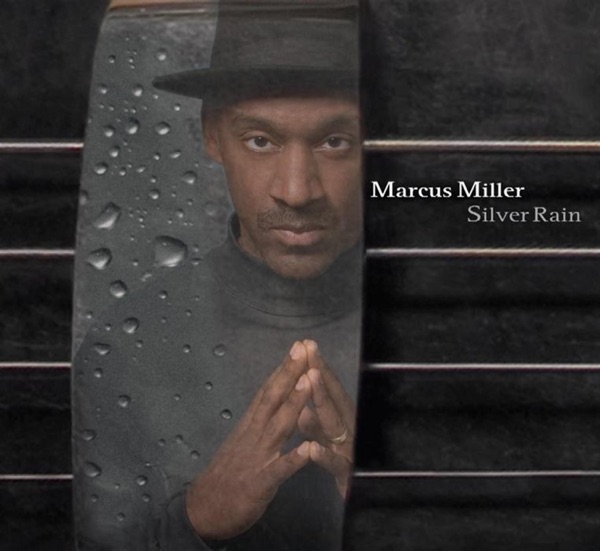
The cover alone—that direct gaze, the calculated irreverence of the title—tells you Miller knows exactly what he's doing. Jazz Forum gave the record five stars, and they weren't wrong to hear something genuinely confident here. This isn't Miller trying to stay relevant or chase trends. It's a player in his element, secure enough to let other musicians actually lead sometimes. The album breathes differently than his catalog-building work of previous decades. Tracks open up, feature voices step forward, and Miller's bass becomes orchestral support rather than the gravitational center. It works because he's always had that skill; now he's choosing to deploy it differently.
Laid Black earned a Grammy nomination for Best Contemporary Instrumental Album, which speaks to how the industry read it—not as a late-career curiosity, but as a substantial artistic statement. It's neither a peak nor a departure, really. It's a turning point in confidence. If you know Miller's work already, this one rewards careful listening because you'll hear what he's released from himself. If you're new to him, there are probably better entry points—records where his bass voice dominates the foreground. But once you've got those under your belt, Laid Black shows you what a master sounds like when he stops needing to prove anything.
Who's playing
Adam Agatiguitar, solo
Jonathan Butleracoustic guitar
Alex Hanalto saxophone
Marquis Hilltrumpet
Michael “Patches” Stewarttrumpet
Trombone Shortysolo, trombone
Kirk Whalumflute
Marcus Millersynthesizer
Alex Baileydrums
Louis Catodrums
Charles Haynesdrums
Brett Williamskeyboard
Mitch Henrykeyboard
Calebvocoder