1996 · Album
Stories of the Danube
Recorded 1993 · Not specified in Wikipedia source · Produced by Not specified in Wikipedia source
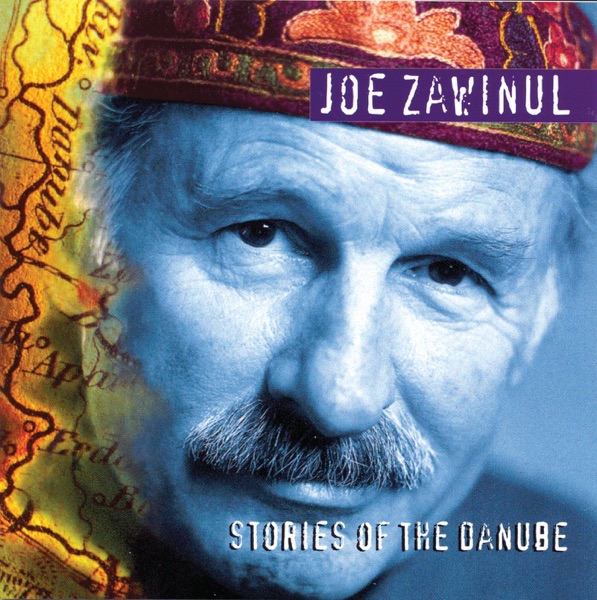
Zawinul's Seven-Movement Odyssey Down Europe
A symphony that follows the Danube from source to sea, mapping geography through jazz composition.
Stories of the Danube arrived in 1993 as something unexpected from Joe Zawinul — a full orchestral symphony commissioned by the Brucknerhaus in Linz for the opening of that year's Bruckner Festival. This was not a side project or a one-off experiment. Zawinul had spent decades building Weather Report and establishing himself as a composer who could move between idioms, but a seven-movement symphony tracing a river across multiple countries was a considerable step into formal classical territory, even for someone with his credentials.
The work's structure follows the Danube from its source at Donaueschingen through various countries and ultimately to the Black Sea. Rather than abandoning what made Zawinul distinctive as a musician, the symphony incorporates his sensibility for melody, harmony, and orchestration developed across his electric jazz work. The commission meant this was written for a specific occasion and venue, which gave it both constraint and purpose — it needed to work as a concert piece for a festival audience, not just as an experimental statement.
For listeners coming to Zawinul primarily through his electric work with Weather Report or his fusion recordings, this record sits apart. It is neither a return to acoustic beginnings nor a continuation of what came before, but rather evidence that his compositional thinking had always been capable of operating at this scale. The September 12 premiere as part of the Linzer Klangwolke marked a formal recognition of territory he had been moving toward for years.
Who's playing
Joe Zawinulkeyboard