1954 · Album
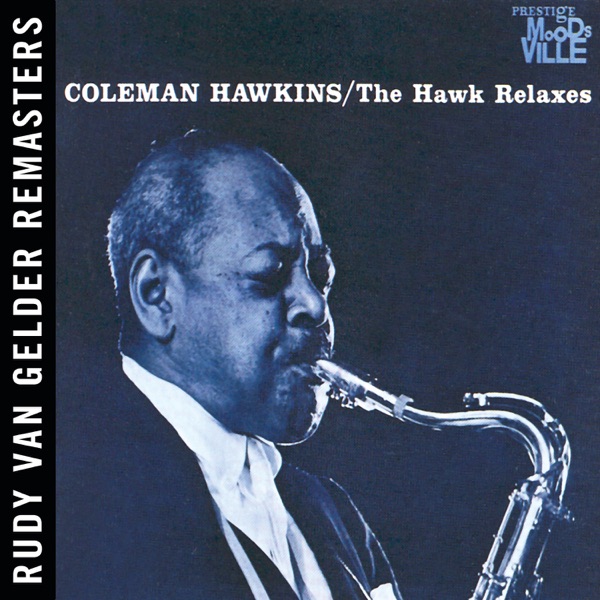
Sir Charles Thompson and His Band Starring Coleman Hawkins
Recorded 1959
A Tenor's Mastery in the Thompson Groove
Hawkins cuts through the ensemble with the authority that defined his entire career—rich, urgent, unmistakable.
This is a small-group swing date anchored by the brisk, capable piano of Sir Charles Thompson, and it sounds like exactly what it is: a confident ensemble in a recording studio, trading choruses with professional ease. Coleman Hawkins is the draw—his tenor saxophone warm and assured, that characteristic vibrato and arpeggiated phrasing intact—but Thompson keeps the session grounded and moving. The rhythm section of Aaron Bell on bass and Osie Johnson on drums locks in cleanly, and Steve Jordan's guitar adds texture without clutter. Emmett Berry on trumpet and Benny Morton on trombone round out the front line, each taking their turn in the rotation.
What strikes you first is how direct it all is. There is no pretense here, no overreaching—just skilled musicians playing standards and blues changes at a natural, conversational tempo. Hawkins dominates when he steps forward, which he does often, and his tone carries such weight that the arrangement almost doesn't matter. Earle Warren's alto saxophone weaves in and out without competing. This is not a showcase designed to prove anything. It is Thompson's date, but everyone knows who will walk away remembered.
The album sits comfortably among Hawkins's many small-group recordings from this era—solid, unpretentious swing that rewards close listening without demanding anything difficult of the listener. It is the sound of a musician at full command of his instrument and his idiom, working in the format that suited him best: a tight ensemble, a few good tunes, and nowhere to hide.
Who's playing
Aaron Belldouble bass
Sir Charles Thompsonpiano
Steve Jordanguitar
Coleman Hawkinstenor saxophone
Earle Warrenalto saxophone
Emmett Berrytrumpet
Benny Mortontrombone
Osie Johnsondrums