
Watching Roy Hargrove's Careful Eye
Hargrove keeps things tight and purposeful, letting space do as much work as the notes themselves.
Public Eye catches Roy Hargrove at a point where he's learned to trust restraint. This isn't a young player trying to prove everything he can do on the trumpet—it's someone confident enough to hold back, to listen to what's happening around him before filling the air with sound. The album has a deliberate, almost noir-ish quality that sets it apart from some of his other work. Where Hargrove can sometimes lean into high-energy showmanship, here he's interested in mood and conversation. The band moves through these tunes like they've got somewhere to go but aren't in a rush to get there.
What makes this recording distinct is how much patience it has. Tracks breathe. There's actual silence between ideas, which means when someone does play, it lands. Hargrove's trumpet work is clean and direct—he's not overselling anything. The rhythm section locks in tight without ever sounding mechanical, and the whole thing has the feel of musicians who trust each other enough to leave things unsaid. It's the opposite of cluttered, which is exactly what these compositions seem to want.
If you're coming to Hargrove's catalog, this isn't the obvious starting point—go with something more immediately accessible first. But if you've spent time with his other records and want to hear him working in a more introspective space, this one rewards your attention. It's not his most celebrated work, but it's genuinely good, and it proves he's capable of more than just technical brilliance. Sometimes the best thing a musician can do is know when not to play.
Who's playing
Christian McBridedouble bass
Stephen Scottpiano
Antonio Hartalto saxophone
Roy Hargrovetrumpet
Billy Higginsdrums
Where next?


The musicians on this record
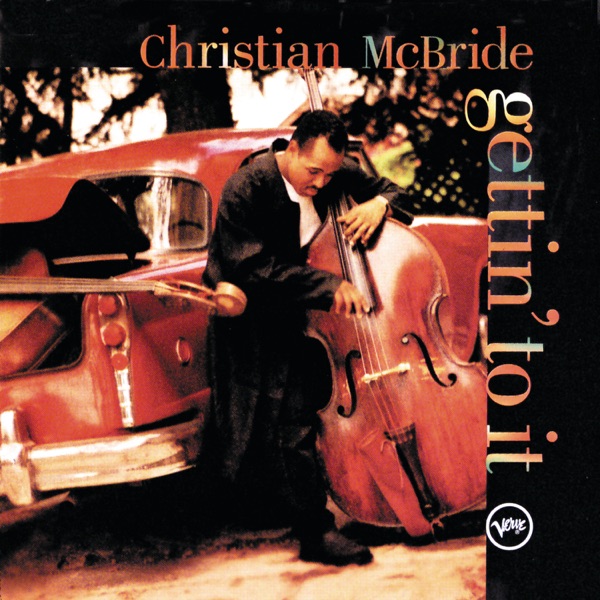
Gettin' To It 1994
Christian McBride
plays double bass here
plays double bass here
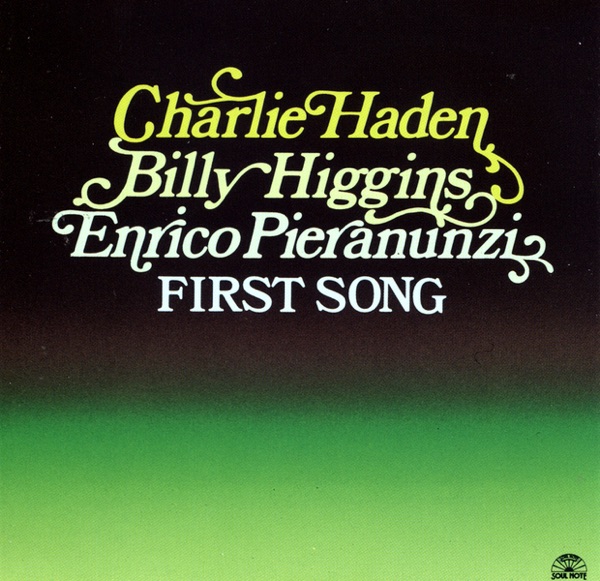
First Song 1992
Billy Higgins
plays drums (drum set) here
plays drums (drum set) here


