Speaking His Name Into Being
Ayler announces himself with pure conviction, no apologies, no compromise.
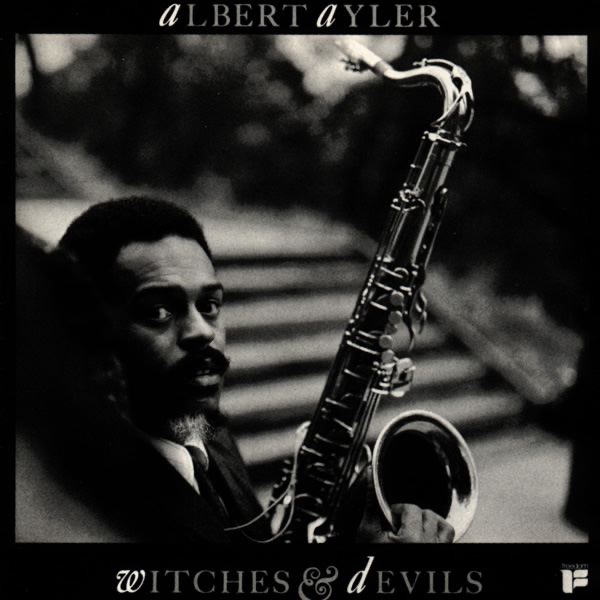
Albert Ayler made My Name Is Albert Ayler (1959) early in his career, and the title says everything you need to know about his intention. He wasn't interested in hiding or proving himself through standards or bebop language. He walks into this record and claims space with a voice so direct it almost sounds like defiance. The alto saxophone cuts through the music with a rawness that bothered plenty of listeners at the time—it's not pretty or polished, but it's unmistakably his.
What makes this different from some of his later work is how straightforward it is. There's no avant-garde posturing here, no total abstraction. The tunes sit somewhere between hard bop and something looser, something more personal. Ayler plays with genuine emotion in his tone, not theatrical effect. The rhythm section keeps things grounded enough that you can follow where he's going, even when he's pushing hard against the form. It's direct communication—musician to listener, no intermediary needed.
This isn't his most famous record, and it's probably not the best entry point if you're new to Ayler. Spiritual Unity (1964) is where most people go first, and there's good reason. But this one matters because it catches him before the radical shift, when he was still finding his voice by speaking it out loud. If you're curious about Ayler's early development, or if you want to hear how a musician announces himself to the world, this record is honest and worth hearing.
Who's playing
Niels‐Henning Ørsted Pedersendouble bass
Niels Brønstedpiano
Albert Aylersoprano saxophone
Ronnie Gardinerdrums