1964 · Album
Witches & Devils
Recorded 1964, New York City · Debut (original release); Freedom (later release as Witches & Devils) · Produced by Not specified in available sources
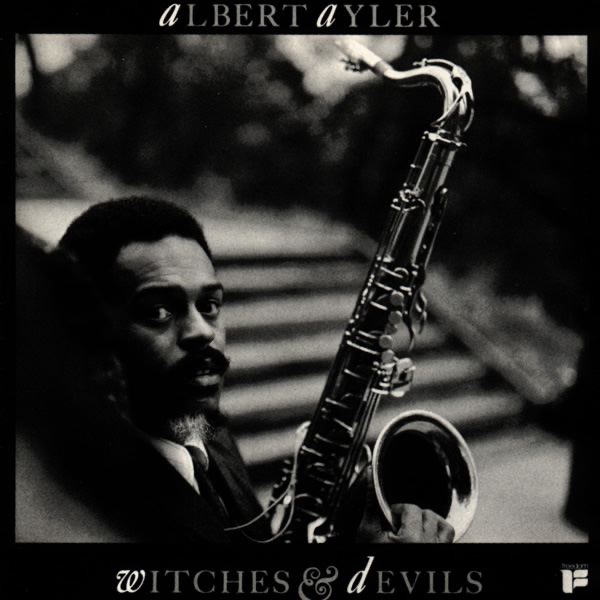
Ayler's Quartet Takes Command in 1964
He moves from whisper-soft tenderness to a bloodcurdling scream, and it all sounds natural.
Witches & Devils captures Albert Ayler at a turning point—early enough in his career that he's still finding his voice, but confident enough that you hear a musician in command. Recorded in New York in 1964, this is Ayler with a working quartet, and the difference shows. The AllMusic reviewer Thom Jurek called it "a revealing if not completely satisfying recording," which is fair: there are moments here that feel like Ayler testing the boundaries of what a saxophone can do, and moments where the results don't quite land. But when they do, they're remarkable.
What matters most is what happens on the title track and "Holy, Holy." Ayler's tone work ranges from genuine tenderness to an upper-register scream that sounds like a child crying. This wasn't a gimmick—it was him mapping the emotional terrain available in the instrument itself, pulling equally from Ornette Coleman's harmonic freedom and the raw honking of R&B bar musicians. The quartet with Grimes and Murray gives him room to move, and he uses it. The recording quality is rough by today's standards, but that rawness works in its favor; you're hearing the room, the effort, the risk.
This isn't the place to start with Ayler if you want his most polished work, but it's essential if you want to understand how he thought about the saxophone. The Penguin Guide to Jazz Recordings gave it 3.5 stars, which understates what's here—a musician finding his language, not yet fluent but already dangerous.
Who's playing
Henry Grimesdouble bass
Earle Hendersondouble bass
Albert Aylertenor saxophone
Norman Howardtrumpet
Sunny Murraydrums
Where next?
More by Albert Ayler
All 12 albums →


The musicians on this record
Their own records, close in time


