1964 · Album
Mess Of Blues
Recorded 1963 · Verve · Personnel: Johnny Hodges (saxophone), Wild Bill Davis (organ), drummer (uncredited in provided information)
Hodges and Davis Without the Bottom
A trio stripped to its essentials: saxophone, organ, and drums, nothing else needed.
By 1963, Johnny Hodges had spent decades refining his craft in big bands and small groups, so Mess of Blues arrives as a deliberate choice rather than a debut statement. This is Hodges working in a pocket he'd already explored with Wild Bill Davis, but here in a leaner arrangement. The absence of a bass player — unusual even among their collaborations — changes everything about the sound. Without that low anchor, the organ sits higher in the mix, closer to the saxophone, creating a tighter, more immediate conversation. Davis's playing fills space differently; Hodges responds with sharper phrasing. The rhythm section of organ and drums alone gives the album an uncluttered, almost blues-club feel, even when the material ventures into straight jazz territory. This was the only one of their seven studio albums together to abandon the bass entirely, which speaks to a specific sonic intention rather than circumstance. The album doesn't reach for reinvention — Hodges was never interested in that — but it does showcase what happens when you subtract rather than add. The stripped-down format suits his approach: direct, blues-inflected, built on the weight of a single horn rather than orchestration. For Hodges listeners, this is solid mid-career work, a recording that confirms what his best work always showed: economy of means serves his style better than abundance.
Who's playing
Where next?
More by Johnny Hodges
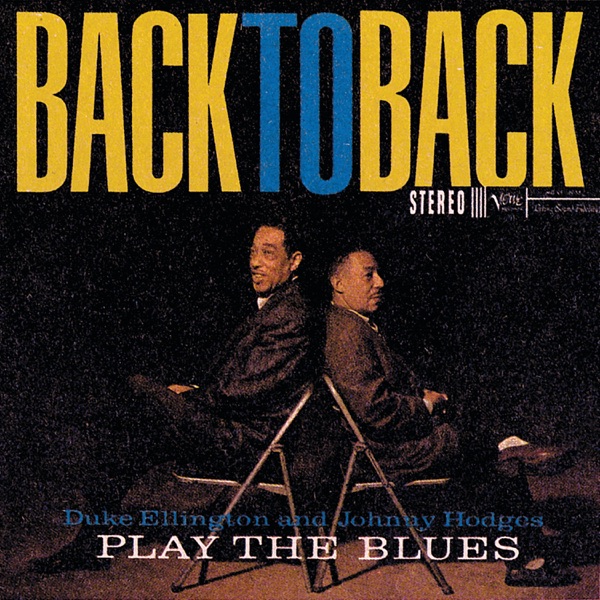
Back to Back: Duke Ellington and Johnny Hodges Play the Blues 1959

3 Shades of Blue 1970

Everybody Knows 1964

Stride Right 1966
The musicians on this record
Their own records, close in time