
Harris Keeps Moving, No Signature Song Required
Mostly Harris originals in a satisfying set around two groups, showcasing his trademark chops and versatility.
Mean Greens arrived as a solid follow-up to The In Sound (1965), Harris's strong Atlantic debut. That first record had "Freedom Jazz Dance," a piece with enough character to stick with listeners. This one doesn't hunt for a signature moment. Instead it's a working album—mostly Harris originals, split between two groups, designed to show what the saxophonist could do across different settings. AllMusic reviewer noted the program is respectable and well-constructed, even without a standout centerpiece. It landed quietly enough, the kind of record that mattered to people paying attention to what Harris was doing in the mid-1960s, rather than one that broke through the noise.
What rescues Mean Greens from being merely serviceable is the personnel and how Harris uses them. Cedar Walton on piano and Billy Higgins on drums give one lineup real swing and interplay. The other group swaps in Sonny Phillips on organ and Ray Barretto on congas, shifting the texture toward something grittier and more blues-informed. Ron Carter and Melvin Jackson share bass duties across both configurations. Harris himself plays with the efficiency he was known for—no wasted notes, solid tone, fleet enough in the upper register when he needs to be.
For Harris, this was still early in his career at Atlantic, before he moved into funk and soul-jazz more decisively. Mean Greens occupies that middle ground where he's not yet fully committed to commercial radio appeal but isn't playing pure bebop either. It's a record for people who want to hear a serious saxophonist work, not one chasing a hit or making a statement.
Who's playing
Ron Carterdouble bass
Melvin Jacksondouble bass
Cedar Waltonpiano
Eddie Harristenor saxophone
Ray Codringtontrumpet
Sonny Phillipsorgan
Billy Higginsdrums
Bucky Taylordrums
Ray Barrettocongas
Where next?
More by Eddie Harris
All 36 albums →


The musicians on this record
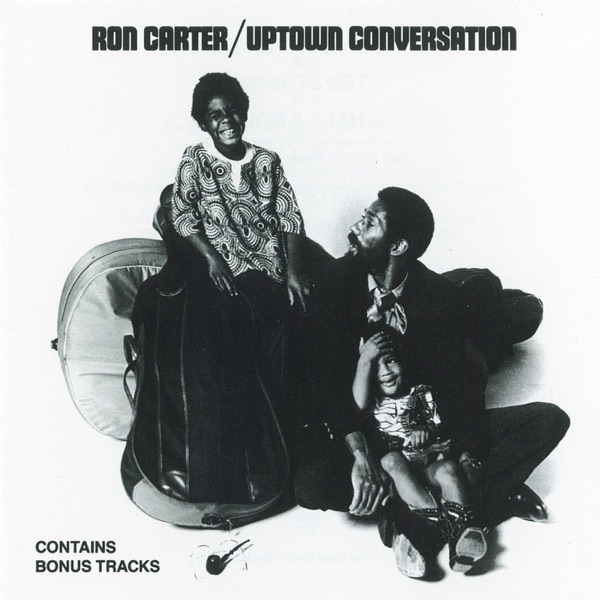
Uptown Conversation 1969
Ron Carter
plays double bass here
plays double bass here
♫
Spectrum 1968
Cedar Walton
plays piano here
plays piano here
♫
The Oracle 1989
Billy Higgins
plays drums (drum set) here
plays drums (drum set) here


