1959 · Album
Louis Armstrong Live in Europe
Recorded Live recordings, 1959 · Mercury Records · Produced by Producer information not verified
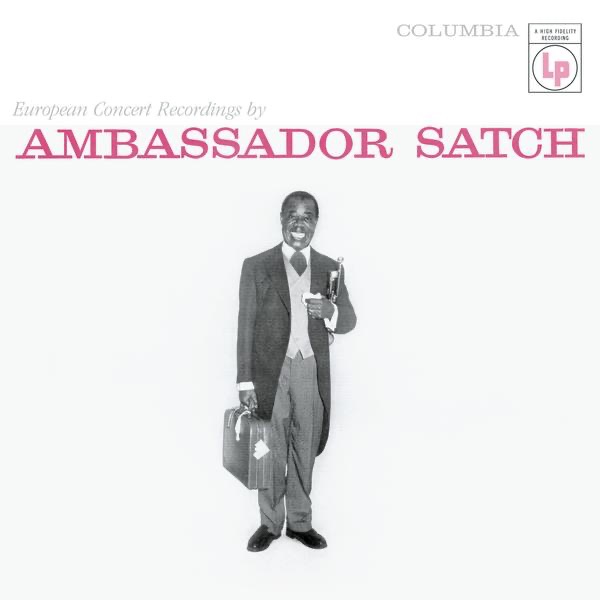
Armstrong Abroad: The European Broadcasts
A chance to hear Armstrong in his element, playing for audiences who understood exactly what he was doing.
By the late 1950s, Louis Armstrong had already spent decades redefining what jazz could be. He'd won Grammys, played everywhere that mattered, and basically invented the language that every trumpeter after him had to learn. So when he took his All-Stars to Europe, he wasn't on a mission to prove anything. He was just doing what he'd been doing for decades: playing trumpet and singing, night after night, for people who wanted to hear him.
This live recording captures Armstrong and his group in front of European audiences, and there's something easy about it. The band swings without strain. Armstrong's voice has that rough, immediate quality it always had—not pretty, but direct and honest. He plays trumpet lines that are economical and sharp, never wasting a note. The rhythm section locks in behind him. It's not flashy, and it doesn't need to be. He's playing mature jazz from someone who knows exactly how long he's been doing this and exactly what works.
If you're new to Armstrong, the studio recordings from the 1920s and 1930s are where to start—they're the foundation of everything. This live set is for people who already know and like him, who want to hear how he sounded in real time, in front of a crowd, without a studio controlling every breath. It's solid, it swings, and it gives you Armstrong doing what he does best. Not his most essential work, but genuinely worth your time if you've already got the classics under your belt.
Who's playing
Arvell Shawdouble bass
Earl Hinespiano
Marty Napoleonpiano
Louis Armstrongtrumpet
Jack Teagardentrombone
Trummy Youngtrombone
Cozy Coledrums
Barney Bigardclarinet
Bob McCrackenclarinet