2003 · Album
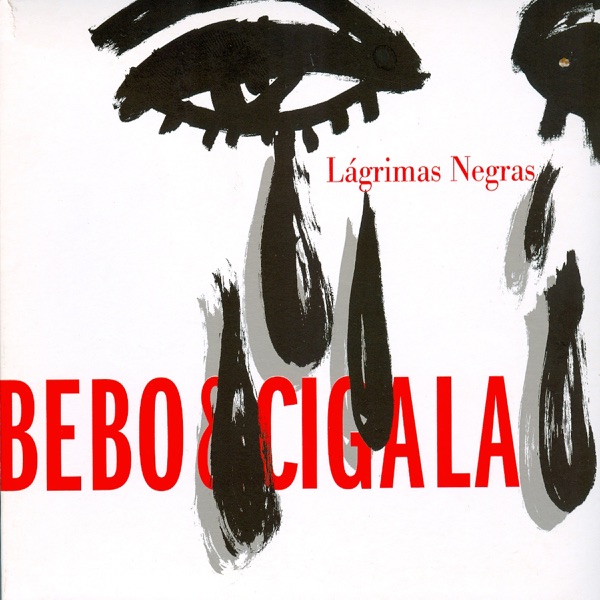
Lágrimas negras
Recorded 2003 · Calle 54 Records / BMG Music Spain · Produced by Javier Limón and Fernando Trueba
A Late Bloom Between Two Traditions
Valdés found in flamenco what he'd always played in Cuban son: the blues underneath everything.
By 2003, Bebo Valdés was in his nineties and had spent decades as a sideman and arranger in Havana, then exile in Mexico and the United States—respected but largely out of the spotlight. Lágrimas Negras (2003) changed that. Paired with Spanish flamenco singer Diego el Cigala and produced by Javier Limón, this album became a late-career statement that caught critics and listeners by surprise: a genuine collaboration between two aging masters from separate musical worlds, and it actually worked.
The album doesn't blend Cuban and flamenco so much as find their common ground. Valdés plays with restraint here—fewer flourishes, more space for the weight of the song. His piano doesn't fight el Cigala's voice; it supports it the way a good rhythm section should. The rhythms stay rooted in Cuban tradition—son, bolero, the sounds Valdés knew from his youth—while the emotional register and vocal phrasing belong entirely to flamenco. It's a conversation, not a collision.
What made this record matter was timing and authenticity. It arrived when neither artist needed to prove anything, which meant both could be generous. The album reached audiences far beyond jazz or flamenco specialists and won genuine acclaim. For Valdés, it wasn't a reinvention or a final statement of legacy—it was simply the sound of someone who'd been playing seriously for seventy years finding a new context for what he already knew.